


Rolling Out a New Process? Start With One Service, Not Everything
Quick story about the most common way a good new process dies. It is not that the process was bad. It is that it went live everywhere, on the same Monday.
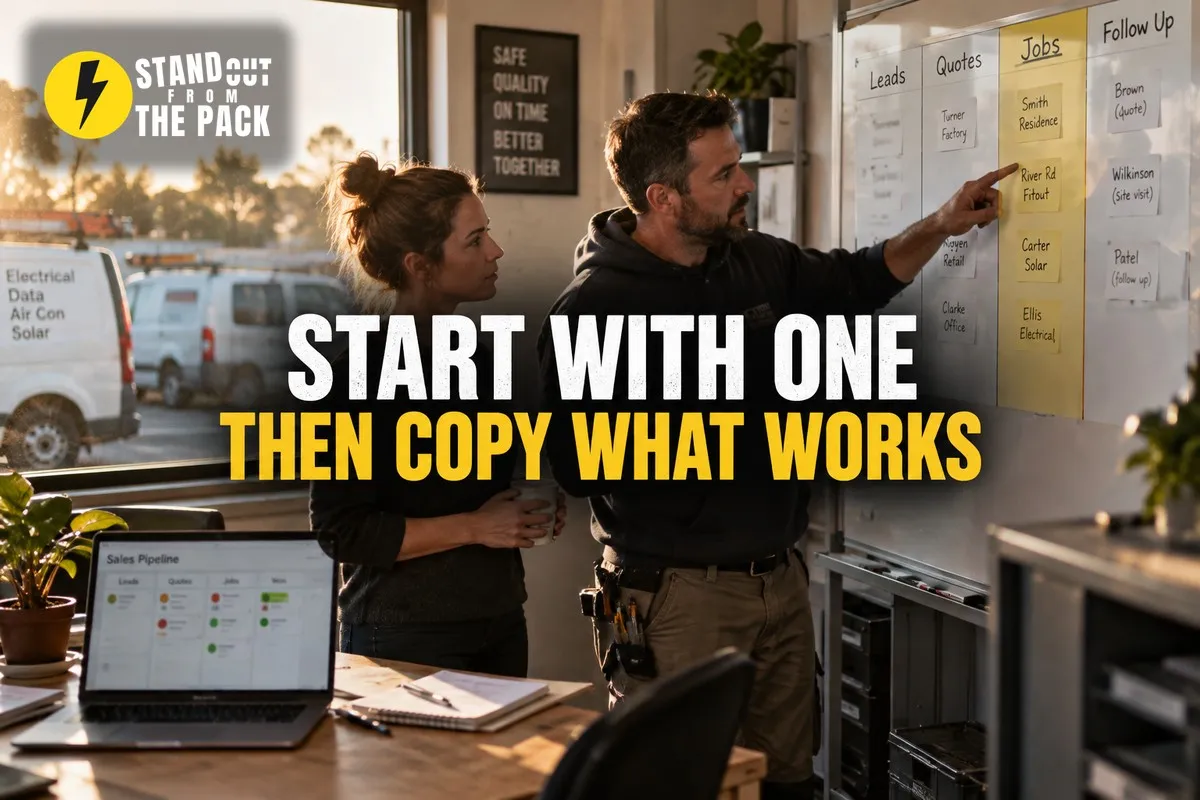
Picture an electrical business with nine sparkies, two office staff and three kinds of work: emergency call outs, planned residential jobs and a growing line of solar and battery installs. The owner spends a few weekends mapping out a proper enquiry follow-up process. New enquiries get an instant reply, a quote goes out within two days, follow-ups happen on day three and day seven, and every stage has an owner. It looks brilliant on the whiteboard.
So on Monday morning, it goes live for everything.
By Wednesday, the cracks show. Emergency jobs do not need a quote follow-up on day three, because the job was done on day one, so customers get a slightly odd "just checking in on your quote" message for work that is already paid. Solar enquiries need a site assessment before any quote, and there is no stage for that. The office team are not sure whether to move cards for the old jobs that were already in progress. Two of the sparkies keep texting quotes from their phones the way they always have.
By the second Friday, the office manager quietly says what everyone is thinking. "Can we just go back to the old way until this is sorted?"
And they do. The whiteboard stays up for a month. Then someone wipes it.
Here is the thing. Nothing about that process was wrong. It just met real life all at once, in every corner of the business, before anyone had a chance to learn from it.
Why do new processes fail when they go live everywhere?
Because a process on paper is a guess, and real customers are very good at finding the parts you guessed wrong.
Different services need different steps. A process designed with one type of job in mind gets stretched over all of them. The bits that do not fit create confusion, and confusion sends people back to what they know.
Problems arrive faster than fixes. When something goes wrong in one service, you fix it. When it goes wrong in three services, across nine people, in the same week, you are firefighting. There is no time to work out what is actually broken.
Unusual cases show up on day one. Existing jobs halfway through the old process, repeat customers, the urgent job that skips the quote entirely. Every exception that was not planned for becomes a decision someone has to make on the spot.
The old way is always one step away. If the new process feels harder than the old one, even for a week, the team drifts back. Trust me on that one. Habits do not change because a whiteboard says so.
And this is why a big launch often achieves less than a small one. The whole team loses confidence in the process before it has had a chance to work.
How do you roll out a process that actually sticks?
Start small, learn fast, then copy the system rather than the instructions. Six steps.
1. Pick one service, one location or one team. Choose the one with the most volume and the fewest exceptions. For the electrical business, that is planned residential jobs: plenty of enquiries, a predictable path from enquiry to quote to booking. Emergencies and solar can wait.
2. Build the full process for that one service only. Stages, owners, message templates, follow-up timing, task rules. Do it properly, as if it is the only service you offer. A small process that is complete beats a big process that is half done.
3. Run it for two weeks and watch the numbers. How many enquiries came in? How many got the instant reply? How many replied to the follow-ups? Where did customers drop off, and which messages got ignored? Two weeks is long enough to see patterns and short enough that nobody loses patience.
4. Fix the confusing parts while the numbers are small. Ask the people using it what felt awkward. Rewrite the message nobody replies to. Add the missing stage. With twenty enquiries, every fix is easy. With two hundred spread across three services, every fix is a project.
5. Write down what you learned, then copy the workflow. Record what changed and why. Then duplicate the whole thing for the next service: stages, templates, reminders, task rules and reporting. Adjust only what is genuinely different, such as adding a site assessment stage for solar. The second rollout is much faster than the first, because the system already exists.
6. Keep one simple way to report problems. As new situations come up, there needs to be one place for the team to flag them, and one person who fixes the workflow. Fix it once in the system and every team gets the correction at the same time.
The thread through all six: you are not delaying the improvement. You are proving the process works before everyone depends on it.
What usually goes wrong?
Picking the hardest service to pilot. It is tempting to start where the pain is worst. But the messiest service has the most exceptions, and the pilot gets buried in them. Start where you can win, then tackle the hard one with a proven system.
Calling it a pilot and then never expanding. The pilot works, everyone is pleased, and the other services stay on the old way forever. Put the next rollout date in the calendar before the pilot starts.
Expanding the instructions instead of the system. Sending everyone a document called "new process" is not a rollout. The team should see the same steps appear in the same place, for a new group of customers, without learning anything new.
No baseline to compare against. If you do not know how many enquiries turned into quotes before, you cannot tell whether the new process is better. Jot down the old numbers before you start, even roughly.
Fixing problems outside the system. A workaround on a sticky note helps one person. A fix in the workflow helps everyone, every time. If a fix lives anywhere other than the system, it is not really fixed.
Why is this better than the alternatives?
"Let's just launch it everywhere and sort it out as we go." That is exactly what the electrical business did. Sorting it out as you go works when the problems are few. When they all arrive at once, "as we go" becomes "go back".
"We will wait until the process is perfect." It never will be, because perfect is only discovered by real customers. Between us, the perfect process designed in a meeting room is usually the one that falls over first.
"We will train everyone thoroughly first." Training helps, but it cannot cover situations nobody has seen yet. A pilot finds those situations with a small group, so the training for everyone else is based on what actually happens.
The payoff: a process the team trusts, because they watched it work before it was handed to them. Rollouts get faster each time, and the business ends up with one consistent system rather than three slightly different versions. That ties in nicely with keeping one source of truth for team processes, because every copy of the workflow comes from the same tested original.
How does this work inside Stand Out From The Pack?
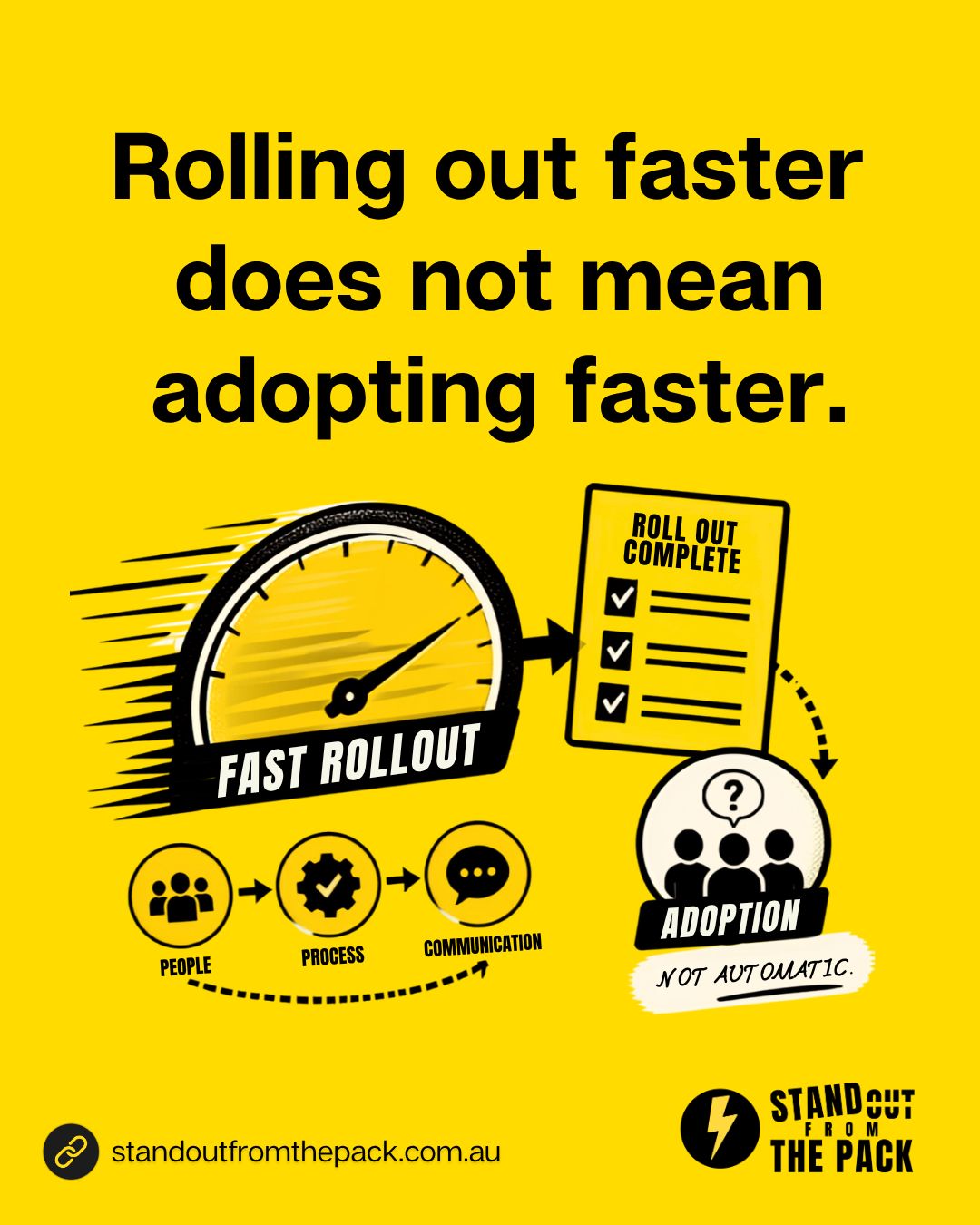
Everything above is built from a pipeline for the pilot service, workflows with follow-up timing and task rules, message templates, and reporting that shows replies, drop-off and stage conversion. When the pilot works, workflows and pipelines can be duplicated for the next service and adjusted, rather than rebuilt from scratch. Every customer on every plan has those tools from day one. The only question is who sets them up.
- Do it yourself, with support. Every plan includes onboarding for the owner and the team, a knowledge base with 50 plus interactive guides, 24/7 live chat with real people and weekly Open Office Hours (all on our support page). Bring your pilot results to Office Hours and we will help you work out what to fix before you expand.
- Get the foundations done for you. Our done-for-you account setup connects your phone number, email and inbox properly, so the follow-up messages in your pilot actually reach customers and the numbers you are watching are real.
- Have us build it. Enquiry follow-up systems are part of our Profit Roadmap. A single job like "build the follow-up for one service" sits on our services menu, and a staged rollout across several services or locations becomes a custom project.
Once the process is live, it still needs a way to hear from the people using it. Our piece on feedback loops that make process friction visible covers exactly that.
What just happened behind the scenes of this article?
A little bit of practising what we preach.
Today's social post asked you to comment SYSTEM. When you did, an automation picked up the comment and sent you a direct message within a minute with this article. Every keyword in our weekly rhythm (LEADS, JOURNEY, SYSTEM and the rest) follows exactly the same pattern: comment, message, article. Same steps, same place, a different topic each day.
That is the spirit of step five: once a pattern works, you repeat the system, not the instructions. It runs in our own account on the same platform our customers use, built the way any of them could build it, or have us build it for them.
A quick check for your own business
- Is there a process you launched everywhere that the team quietly abandoned?
- Which of your services has the most volume and the fewest exceptions?
- Do you know your current numbers for that service, so you can tell if a new process is better?
- When the pilot works, could you duplicate the workflow, or would you be rebuilding it from memory?
- Is there one place for your team to report problems, and one person who fixes them in the system?
Frequently asked questions
How long should a pilot run? Two weeks is a good starting point for most enquiry and follow-up processes. If you get very few enquiries, run it until you have seen at least twenty or so go through.
What if the pilot shows the process does not work? That is a win, honestly. You found out with a small group instead of the whole business. Fix the parts that failed, run it again, and expand once the numbers look right.
Should the whole team be involved in the pilot? Only the people who handle that service. Keep everyone else informed, so they know what is coming and when, but let the pilot group find the rough edges first.
Can we pilot in one location if we have several? Absolutely. One location is often a cleaner test than one service, because the people and the local habits are consistent. Expand to the next location once it is working.
Want to see how a small, proven rollout could work in your business? Comment SYSTEM on the post on Facebook or Instagram and we will take it from there.




Live, Practical, Zero Jargon
Short sessions on follow-up, systems and AI you can put to work the same afternoon. Get on the list and we'll tell you when the next one's on.
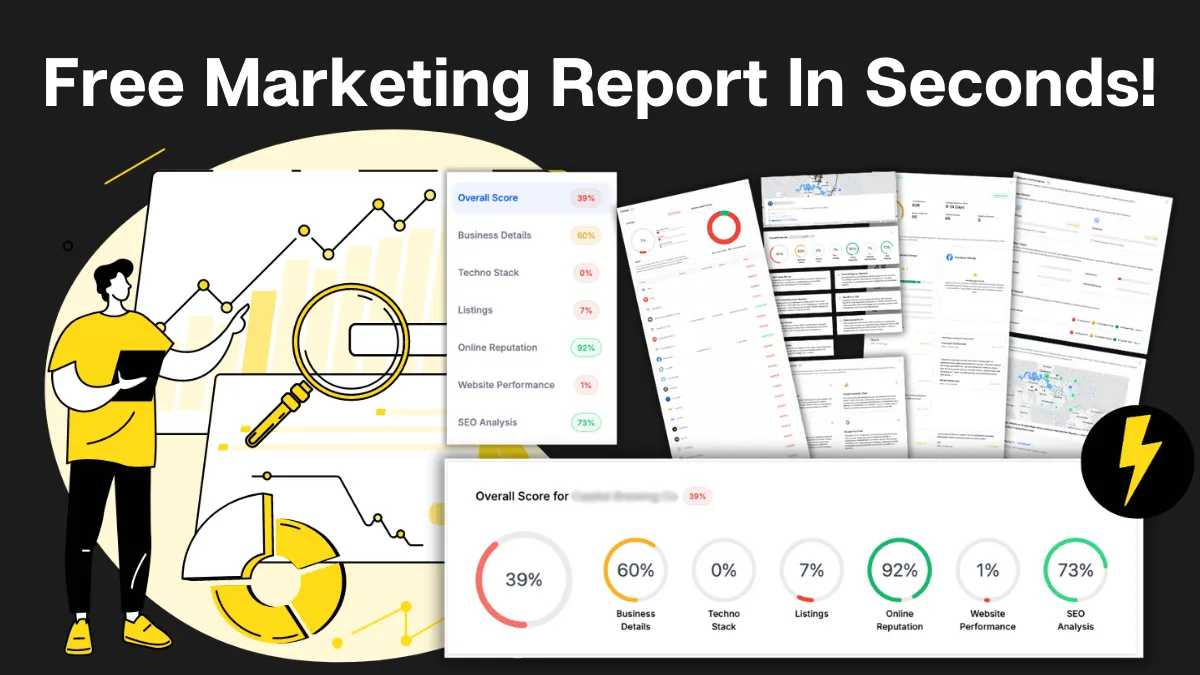
How Do You Stack Up Against the Business Down the Road?
See how you show up online next to competitors near you: reviews, listings, visibility. Free, and no homework required.

Supercharge Your Business!
Transform your business growth with our all-in-one sales and marketing software. Capture, nurture, and close more leads with ease. Don't miss out on the opportunity to streamline your operations and drive success.

See It Working Before You Talk to Anyone
Watch an enquiry get caught, answered and booked in without you glued to your phone. Your pace, no pressure.

Never miss an update from Business Booster Insights. Subscribe to our 'Level Up Newsletter' and get expert tips, strategies, and exclusive content delivered straight to your inbox. Elevate your business game today!

Your Clients Need Better Follow-Up. You Could Earn From It.
Accountants, coaches and consultants spot leaky businesses every day. Recommend the fix and earn ongoing commission.

Where Are Your Enquiries Going Cold?
Answer a few quick questions and see exactly where leads slip between "just asking" and "let's book." Takes less time than your next coffee order.
Still Handing Out Cards That End Up in the Wash?
Share your details in one tap so people can save you, call you or book you on the spot. Yours free.