



Your Customer Pressed Pause. Can They Pick Up Where They Left Off?
Quick story, or rather a pattern I see in almost every business that sells something people need to think about.
Picture a couple in their fifties who have decided it is finally time. They own a block of land outside town and they want a modular home on it. They find a builder they like, have a great first meeting, pick a floor plan, talk through the deck, the second bathroom and the budget. They fill in a detailed questionnaire about the site. Everyone is excited.
Then the bank says the valuation will take a few weeks. And while they wait, his mum has a fall, and for two months the house is the last thing on anyone's mind.
In February they are ready again. So they ring the builder.
And the builder's new sales consultant answers. He is lovely. He has no idea who they are. He asks them which floor plan they were interested in, whether they have land, what their budget is, and could they please fill in the site questionnaire. They did all of that in October.
Nobody did anything wrong, exactly. But the couple feel like they are starting from scratch, and starting from scratch is a good moment to shop around. So they do.
Here is the thing. The pause was never the problem. The pause was normal. The problem was that the business treated the pause like an ending, so when the customer came back, there was nothing to come back to.
Why do paused customers so often never return?
Because most journeys are built for people who move in a straight line.
Real decisions do not go in a straight line. Anyone selling something considered, a home, a care placement, a renovation, a finance product, a coaching programme, knows the customer will pause at least once. They wait for finance, talk to family, get approval from a partner or business, or simply deal with life. A pause is part of the journey, not a failure of it.
The progress lives in someone's head. What was discussed, what was chosen and what is still outstanding often sits in one salesperson's memory, a notebook or an email thread. If that person moves on, or just forgets, the progress goes with them.
Coming back costs the customer effort. Re-explaining, refilling forms, hunting down the quote. Every bit of friction gives them one more reason to put it off again, or to try someone new who at least seems organised.
Silence turns a pause into a goodbye. If nobody hears from you for three months, the customer starts to assume you have moved on. And honestly, many businesses have, because the deal quietly fell off the bottom of the pipeline.
And this is why the fix has two halves: keep their progress safe, and stay connected at their pace until they are ready.
How do you make coming back easy?
The goal: when the customer returns, the conversation continues instead of restarting. Six steps.
1. Give "paused" its own stage. Most pipelines have "won" and "lost" and nothing for "not yet". Add a paused stage, so these people stop being counted as lost and stop being chased like hot leads. They are simply waiting, and your system knows it.
2. Capture the reason and the expected timing. When someone pauses, record why (finance, family, approval, timing) and roughly when they expect to be ready. "Waiting on valuation, maybe six weeks" is far more useful than a blank field and a vague feeling.
3. Record everything already done, in one place. The chosen option, the questions answered, documents received, the last quote. All of it on the customer record, not in someone's inbox. Then anyone on your team can pick it up later, including the new consultant who started last month.
4. Send a "here is where you are up to" summary. When the pause starts, send the customer a short message that confirms what has been completed, what is left and that nothing is lost. People relax when they know their progress is safe, and it gives them something to forward to the family member they are discussing it with.
5. Stay in touch, gently and usefully. Plan a light rhythm for the pause, timed around what they told you. A useful resource that answers a question they are probably thinking about, a short check in around the date they mentioned, a reminder of the next step when the timing seems right. Helpful, not pushy. And they can always reply "not yet" without feeling guilty.
6. Make the way back one step. Every message should include a simple way to continue: reply to this message, book a time, or pick up the next step directly. When they come back, the team sees the full history and opens with "welcome back, last time we had you on the three bedroom plan with the deck" instead of "so, what are you looking for?".
The thread through all six: the customer keeps their momentum, and the team keeps the context.
What usually goes wrong?
Paused gets lumped in with lost. If a pause is marked as a lost deal, nobody follows up, and your reports underestimate the opportunities still sitting there. Keep them separate.
The follow-up becomes pressure. "Just checking if you are ready yet?" every week is the fastest way to turn a pause into a no. Respect the timing they gave you, and make every message useful on its own.
The notes are too thin to help. "Customer paused" tells the next person nothing. Capture what was chosen, what is outstanding and why they paused, in plain language anyone can read.
The return still means a form. If a returning customer gets the same new enquiry form as a stranger, you have thrown away everything they already told you. Route returning customers straight back to their record and their next step.
Nobody owns the paused list. Without a named owner, the paused stage becomes a graveyard. Someone should review it regularly, and the system should prompt them when a customer's expected timing arrives.
Why is this better than the alternatives?
"We will just follow up every month." A fixed reminder is better than nothing, but it ignores what the customer told you. Someone waiting on a six week valuation does not need a nudge in week two. Timing follow up around their situation feels thoughtful instead of automatic.
"If they are serious, they will come back." Some will. But the ones who come back to a blank slate often shop around first. And between us, being the business that remembers everything is one of the easiest ways to win a considered purchase.
"Our salespeople keep good notes." Until they are on leave, or busy, or leave the business. Progress stored on the customer record survives staff changes, holidays and very busy months.
A customer who comes back and finds everything exactly where they left it feels looked after. That feeling is hard to compete with, and it is often the reason they choose you over a cheaper quote.
How does this work inside Stand Out From The Pack?
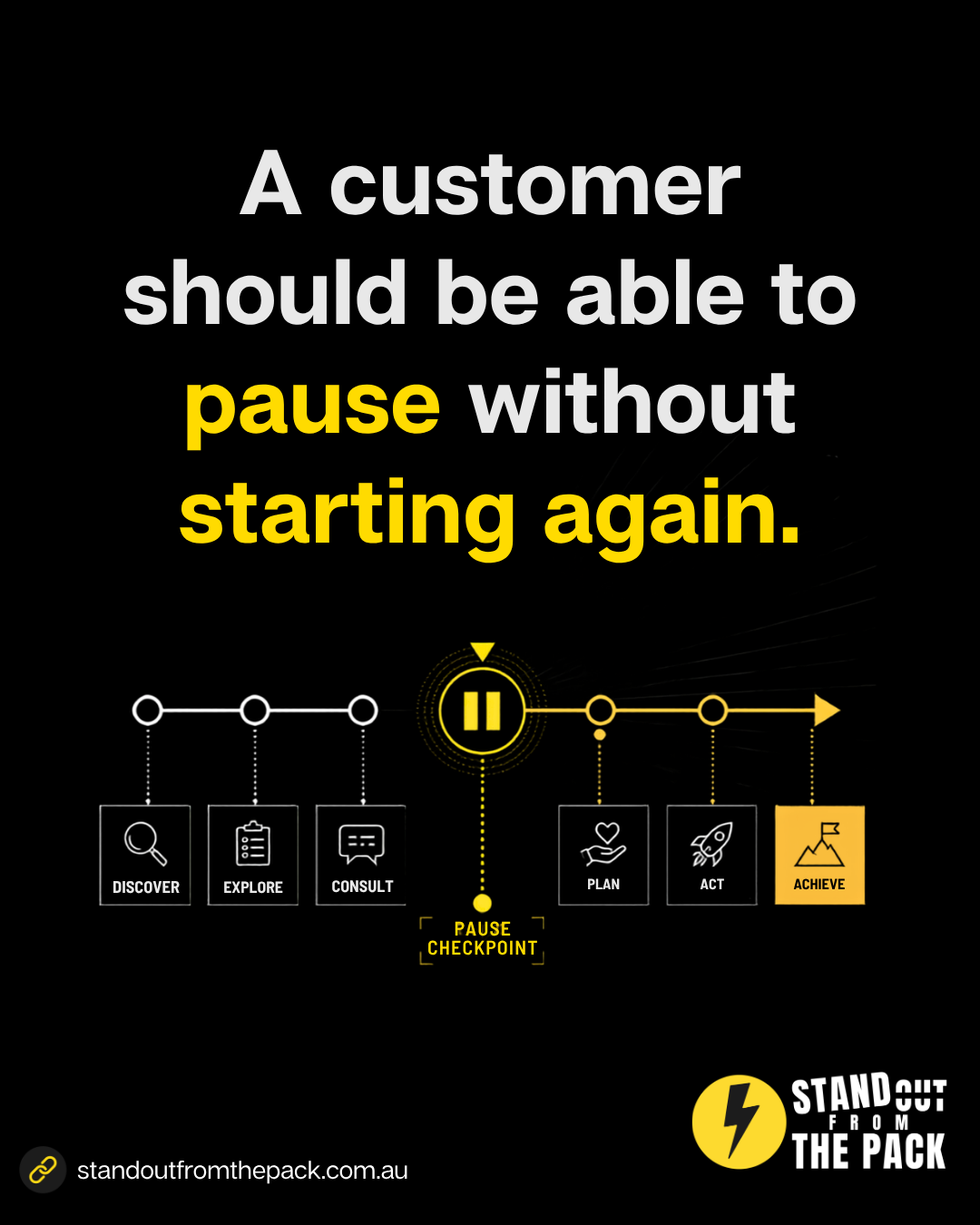
Everything above is a paused pipeline stage, custom fields for the reason and expected timing, notes and documents on the contact record, workflows that send the progress summary and time the gentle follow-ups, tasks that remind the owner when a customer's date arrives, and one inbox where every reply lands with the full history. Every customer on every plan has those tools from day one. The only question is who sets them up.
- Do it yourself, with support. Every plan includes onboarding for the owner and the team, a knowledge base with 50 plus interactive guides, 24/7 live chat with real people and weekly Open Office Hours (all on our support page). Bring your pipeline to Office Hours and we will help you add a paused stage and plan the follow-up rhythm, live.
- Get the foundations done for you. Our done-for-you account setup connects your phone number, email and inbox properly, so follow-ups send reliably and replies reach your team.
- Have us build it. Nurture and re-engagement journeys are part of the customer journey systems in our Profit Roadmap. A single job like "add a paused stage with follow-ups" sits on our services menu, and a long sales cycle with several decision makers becomes a custom project.
If the pause is because your customer needs to convince someone else, our piece on helping customers explain your offer to other decision makers is a natural next read. And for the waits you control, see proactive updates while customers wait.
What just happened behind the scenes of this article?
A short aside, because we try to practise this ourselves.
Today's social post asked you to comment JOURNEY. When you do, an automation sends you a direct message within a minute with this article. If you reply, the conversation lands in our inbox with your name and the topic attached. And if you go quiet, you get one gentle follow-up a couple of days later, and then we leave you alone.
But here is the bit that matters for this topic: the conversation does not disappear. If you come back in three weeks, or three months, and reply to that same message, we can see what you asked about and pick up from there. No starting again. It runs in our own account on the same platform our customers use, built the way any of them could build it, or have us build it for them.
A quick check for your own business
- Does your pipeline have a stage for "paused", separate from "lost"?
- When a customer pauses, do you record why and when they expect to be ready?
- Could someone else on your team pick up a paused customer without asking them to repeat anything?
- What does a paused customer hear from you over the next three months?
- When they come back, is it one step to continue, or a new enquiry form?
Frequently asked questions
How long should we keep someone in a paused stage? As long as the reason still makes sense. Review the list regularly, and if someone has said no or gone silent through several gentle check ins, move them to a long term nurture list rather than deleting them.
How often should we contact a paused customer? Let their timing lead. One summary when the pause starts, something useful in the middle, and a check in around the date they mentioned is plenty for most pauses.
Should the follow-up be automated or personal? Both. The summary and the useful resources can go out automatically. The check in around their expected date often lands best as a task that prompts a personal message.
What if the salesperson who handled them has left? That is exactly why progress lives on the customer record. Reassign the contact, and the new person can read the history and continue the conversation as if they had been there all along.
Want to see how a paused customer could pick up exactly where they left off in your business? Comment JOURNEY on the post on Facebook or Instagram and we will take it from there.




Live, Practical, Zero Jargon
Short sessions on follow-up, systems and AI you can put to work the same afternoon. Get on the list and we'll tell you when the next one's on.
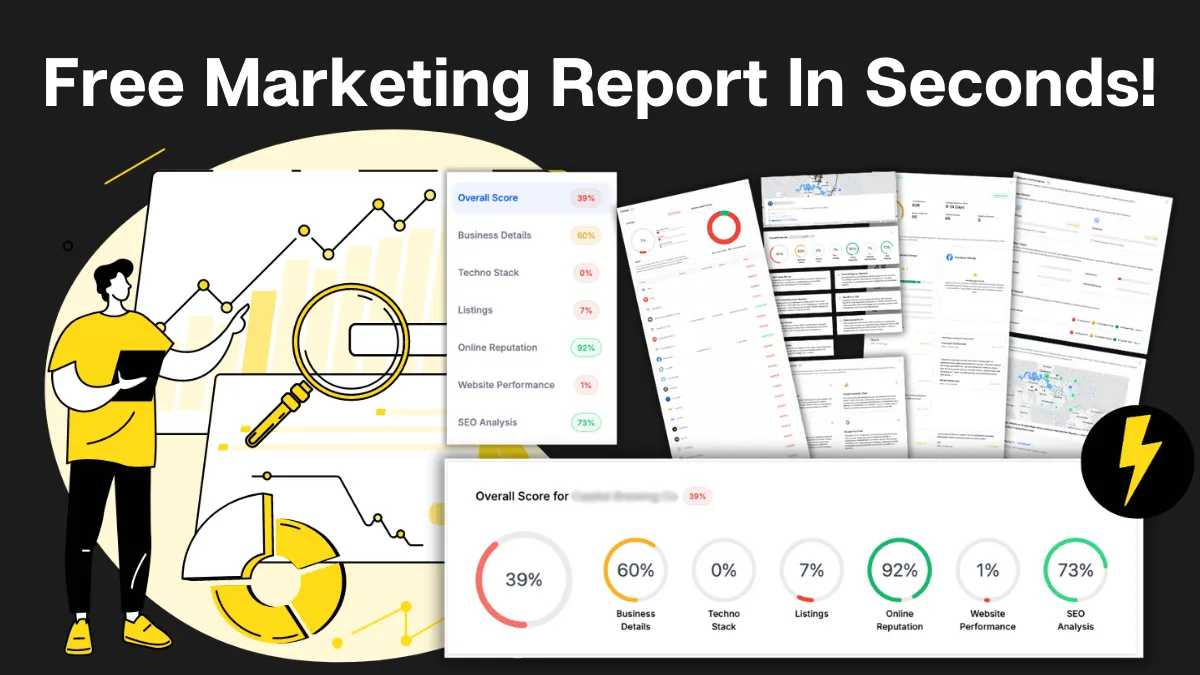
How Do You Stack Up Against the Business Down the Road?
See how you show up online next to competitors near you: reviews, listings, visibility. Free, and no homework required.

Supercharge Your Business!
Transform your business growth with our all-in-one sales and marketing software. Capture, nurture, and close more leads with ease. Don't miss out on the opportunity to streamline your operations and drive success.

See It Working Before You Talk to Anyone
Watch an enquiry get caught, answered and booked in without you glued to your phone. Your pace, no pressure.

Never miss an update from Business Booster Insights. Subscribe to our 'Level Up Newsletter' and get expert tips, strategies, and exclusive content delivered straight to your inbox. Elevate your business game today!

Your Clients Need Better Follow-Up. You Could Earn From It.
Accountants, coaches and consultants spot leaky businesses every day. Recommend the fix and earn ongoing commission.

Where Are Your Enquiries Going Cold?
Answer a few quick questions and see exactly where leads slip between "just asking" and "let's book." Takes less time than your next coffee order.
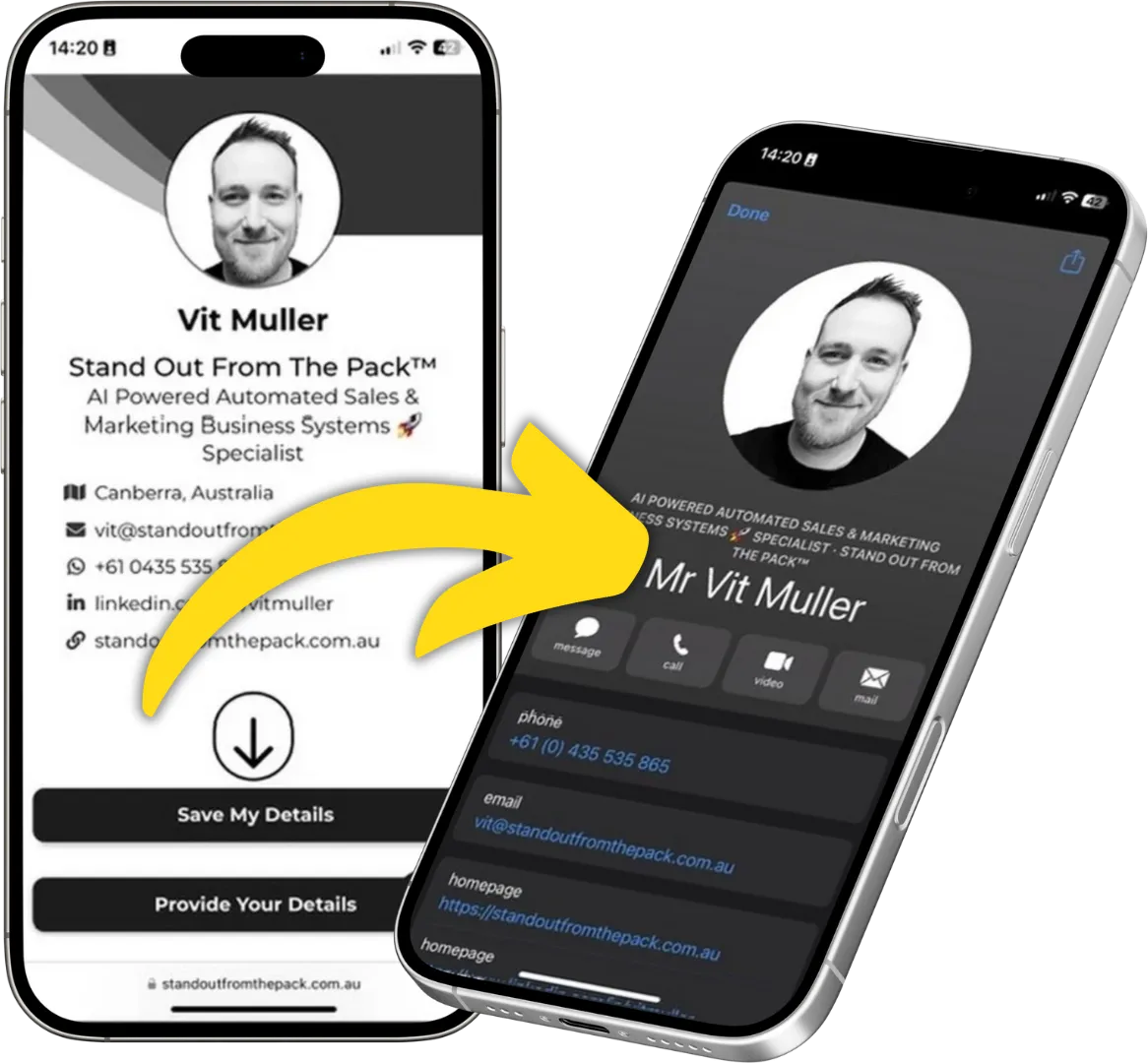
Still Handing Out Cards That End Up in the Wash?
Share your details in one tap so people can save you, call you or book you on the spot. Yours free.