



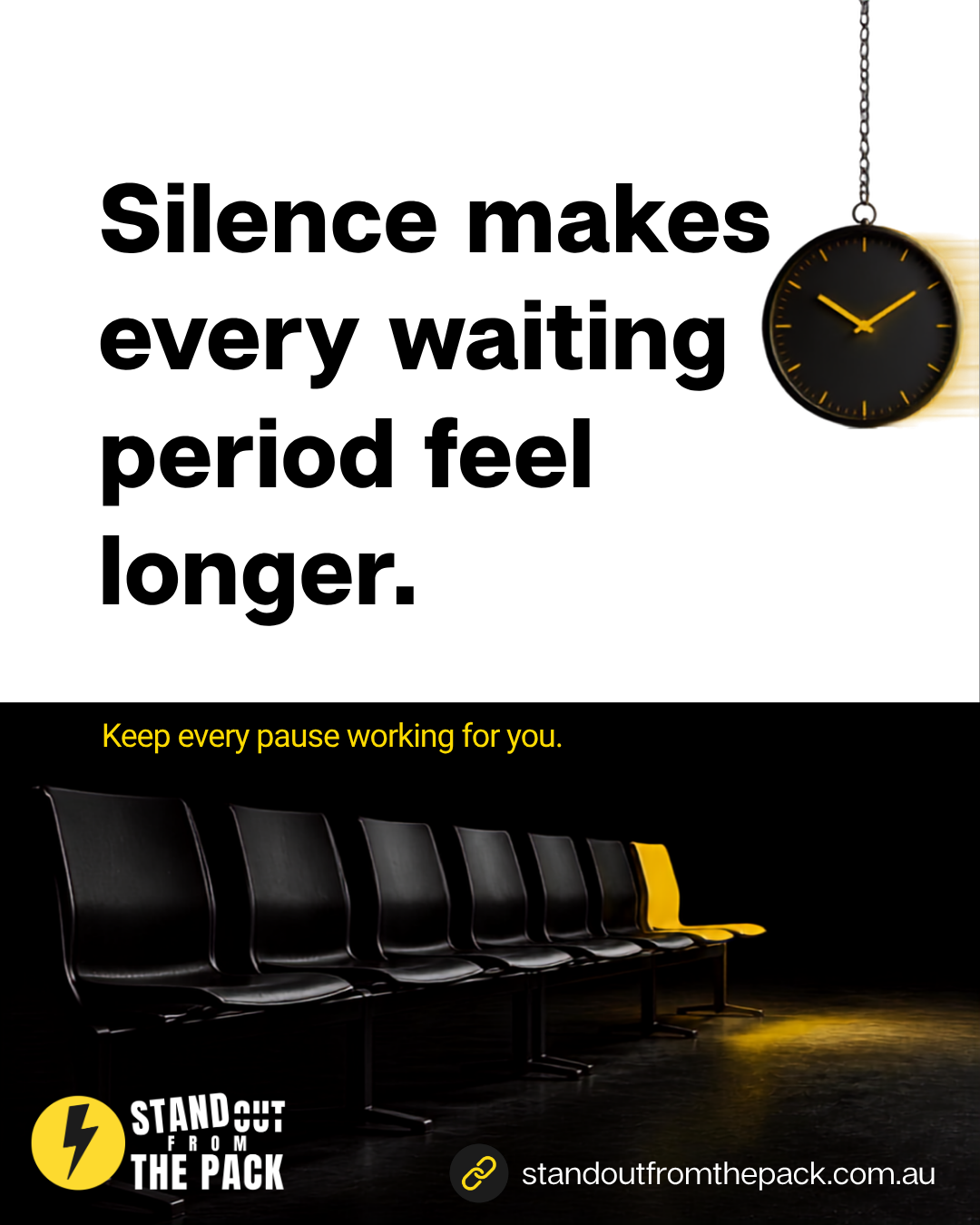
Your Customer Is Waiting. Do They Know You Have Not Forgotten Them?
Quick story, or rather a pattern I keep seeing.
A couple sit down with a finance broker on a Monday. Good meeting. The broker is across everything, explains the process clearly, and says the lender usually takes five to seven business days. The couple go home feeling looked after, and that night they upload every document on the list. Payslips, bank statements, the lot.
Then.. nothing.
By Thursday, one of them has checked their email four times before lunch. By the following Tuesday, they are a bit worried. Is something wrong? Did a document not upload? Has the lender said no and nobody wants to tell them? So on Wednesday they ring. The broker is lovely: "No, all good, it is still with the lender, nothing to report yet."
And that was true the whole time. Nothing was wrong. The application was sitting in a queue, exactly where it was supposed to be. But the couple did not know that, so they spent nine days filling the silence with their own story. And the story people tell themselves in silence is rarely a good one.
Here is the thing. The broker did a great job. The lender did a normal job. And the customer still had an anxious week and a slightly worse opinion of the whole experience.
You see this everywhere there is a wait. The accountant waiting on the tax office. The builder waiting on council. The kitchen company waiting on benchtops from the supplier. The aged care provider waiting on an assessment. The business knows the wait is normal. The customer does not, unless someone tells them.
Why does waiting feel so much worse for the customer?
Because you can see the process and they cannot.
You know what normal looks like. You have done this a hundred times. Seven days with the lender is fine, three weeks for council is fine. For the customer, it might be the first time, and they have no idea whether day eight means "on track" or "something has gone wrong".
No news feels like bad news. When nothing arrives, people do not assume things are progressing. They assume they have been forgotten, or that the news is bad and nobody wants to deliver it.
Updates only happen when there is news. Most businesses update customers when something changes. The trouble is that in a waiting period, nothing changes for days or weeks, so nothing gets sent, and the gap is exactly when the customer most needs to hear from you.
Chasing feels awkward. Plenty of customers will not ring to ask, because they do not want to be a nuisance. So they quietly worry, and some of them start to wonder whether they picked the right business.
And this is why the fix is not "communicate more" in some vague way. It is to plan the updates for the waiting periods before the wait even begins.
How do you keep customers confident while they wait?
The goal is simple: the customer should never have to ask "what is happening?". Six steps.
1. Map the waits in your journey. List every point where the customer is waiting on you, or on someone else. Documents being reviewed, a report being prepared, materials on order, an approval pending. Most businesses find three or four. Those are the places where silence creeps in.
2. Set the expectation before the wait starts. At the beginning of each wait, tell the customer three things: what is happening, roughly how long it usually takes, and when they will next hear from you. "The lender usually takes five to seven business days. I will update you on Thursday either way." That last bit, either way, is gold.
3. Write the "no news" update. This is the one most businesses never write. A short message that says: here is where things are, here is what we are waiting on, nothing needs to happen on your side, and here is when you will hear from us next. It takes thirty seconds to read and saves a phone call and a sleepless night.
4. Let the stage trigger the update, not someone's memory. When a job moves into a waiting stage in your pipeline, the timer starts. If it is still there after the expected number of days, the update goes out automatically, or a task lands with the right person to send a personal one. Nobody has to remember. The system notices that the customer has been waiting.
5. Make it easy to ask, and clear who answers. Every update should come from a named person, and any reply should land in one inbox your team can see. If the customer has a question, they reply to the message they already have, rather than hunting for a phone number.
6. End the wait with a clear next step. When the news finally arrives, good or bad, share it promptly and tell them exactly what happens now. A wait that ends with "approved, here is what we need from you next" feels completely different to one that ends with silence and an invoice.
The thread through all six: you decide when the customer hears from you, instead of waiting for them to chase.
What usually goes wrong?
The updates are too vague. "Just checking in, still waiting!" does not reassure anyone. Say what you are waiting on and when they will hear next. Specific beats cheerful.
The promised update does not arrive. If you said Thursday and nothing comes on Thursday, you have made things worse. This is exactly why the update needs to be triggered by the system rather than a sticky note.
Every customer gets the same rhythm. A two week wait for a kitchen benchtop needs a different rhythm to a two day wait for a document review. Set the timing per stage, not one rule for everything.
Bad news gets held back. When a delay happens, some teams wait until they have a solution before saying anything. Customers almost always prefer an early "there is a delay, here is what we are doing about it" to a late surprise.
Nobody owns the waiting stage. If everyone assumes someone else is keeping the customer informed, nobody does. Each waiting stage needs a named owner.
Why is this better than the alternatives?
"We tell them how long it takes at the start." A great first step, and between us, most people forget the timeframe within a day. One expectation at the start does not carry someone through a three week wait.
"They can always ring us." They can, and some will. But every one of those calls interrupts your team with a question you could have answered in advance. Planned updates usually mean fewer calls and emails, not more work.
"We will update them when there is something to report." That is the trap. In a waiting period, the absence of news is the update. "Nothing has changed, everything is on track, next update Friday" is real information, and it is the information an anxious customer wants most.
A customer who feels informed through a long wait often walks away more loyal than one who got a quick result with no communication at all. That loyalty is usually where the referral comes from too.
How does this work inside Stand Out From The Pack?
Everything above is pipeline stages for each waiting period, workflows that start a timer when a job enters a stage, message templates for the "no news" update, tasks for personal updates, and one shared inbox for replies. Every customer on every plan has those tools from day one. The only question is who sets them up.
- Do it yourself, with support. Every plan includes onboarding for the owner and the team, a knowledge base with 50 plus interactive guides, 24/7 live chat with real people and weekly Open Office Hours (all on our support page). Bring a list of your waiting periods to Office Hours and we will help you plan the updates, live.
- Get the foundations done for you. Our done-for-you account setup connects your phone number, email and inbox properly, so updates send reliably and replies reach your team.
- Have us build it. Stage-based update journeys are part of the customer journey systems in our Profit Roadmap. A single job like "add updates to our approval stage" sits on our services menu, and a longer journey with several waits and parties becomes a custom project.
Whichever route suits you, the result is a customer who knows where things stand without having to ask.
If you are working through the moments after the sale, our piece on what happens right after a customer says yes covers the step just before many of these waits begin.
What just happened behind the scenes of this article?
A short aside, because we should be the proof of what we preach.
Today's social post asked you to comment JOURNEY. When you do, an automation picks up your comment and sends you a direct message within a minute with this article, so you are not left wondering whether anyone saw your comment. If you reply, the conversation lands in our inbox with your name and the topic attached, and one of us picks it up with the history in front of us. If you go quiet, you get one gentle follow-up a couple of days later, and then we leave you alone.
Small thing, same principle. The moment someone raises their hand, they hear from us, and they know what happens next. It runs in our own account on the same platform our customers use, built the way any of them could build it, or have us build it for them.
A quick check for your own business
- Where in your customer journey does the customer wait the longest?
- At the start of that wait, do you tell them when they will next hear from you?
- Do you have a written "no news" update ready to send?
- What happens in your system when a job sits in a waiting stage longer than usual?
- How many "just checking in" calls or emails did your team answer last week?
Frequently asked questions
How often should I update a customer during a wait? Match it to the wait. For a few days, one mid-point update is plenty. For several weeks, weekly works well. What matters most is that you say when the next update is coming and then keep that promise.
Should these updates be automated or personal? Both have a place. Routine "still on track" updates can go out automatically. When there is a delay, a problem or a high value client, a task prompts someone to send a personal message instead.
What if I genuinely have nothing new to say? Say exactly that, kindly and specifically. "Nothing has changed, it is still with the lender, nothing needed from you, next update Friday." That is real information for someone who has been wondering.
Will this create more work for my team? Usually less. A planned update takes a minute, or none if automated, while an anxious customer's phone call takes ten and interrupts whatever your team was doing.
Want to see how proactive updates could work in your own customer journey? Comment JOURNEY on the post on Facebook or Instagram and we will take it from there.




Live, Practical, Zero Jargon
Short sessions on follow-up, systems and AI you can put to work the same afternoon. Get on the list and we'll tell you when the next one's on.
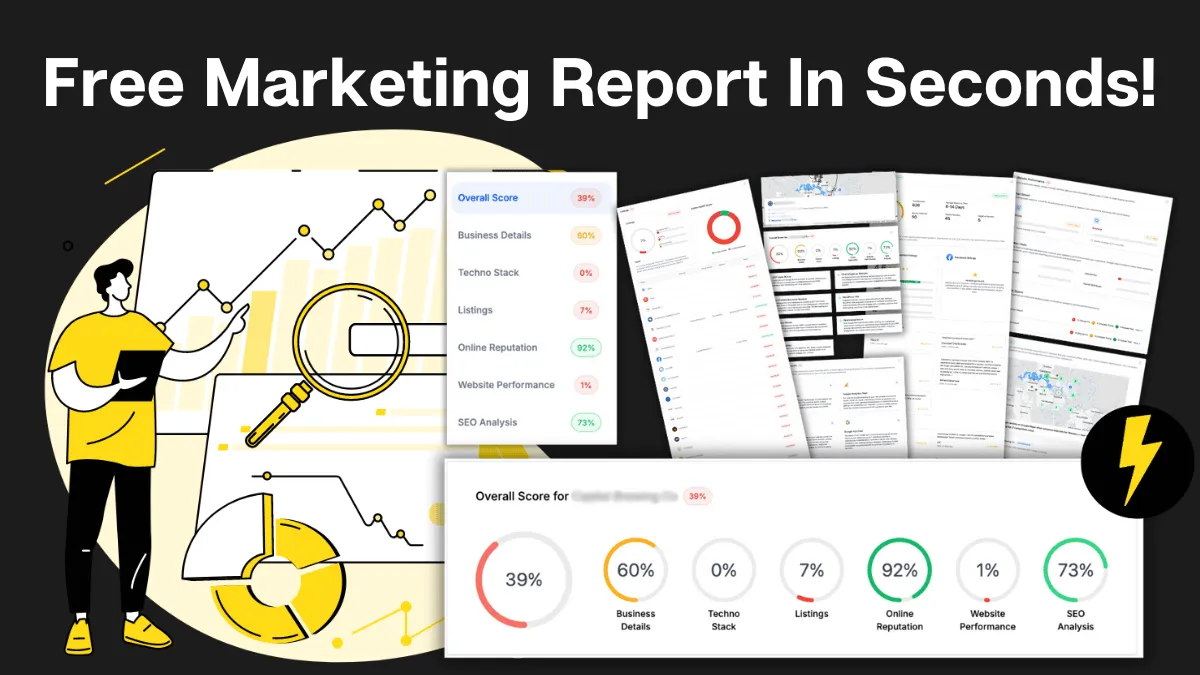
How Do You Stack Up Against the Business Down the Road?
See how you show up online next to competitors near you: reviews, listings, visibility. Free, and no homework required.

Supercharge Your Business!
Transform your business growth with our all-in-one sales and marketing software. Capture, nurture, and close more leads with ease. Don't miss out on the opportunity to streamline your operations and drive success.

See It Working Before You Talk to Anyone
Watch an enquiry get caught, answered and booked in without you glued to your phone. Your pace, no pressure.

Never miss an update from Business Booster Insights. Subscribe to our 'Level Up Newsletter' and get expert tips, strategies, and exclusive content delivered straight to your inbox. Elevate your business game today!

Your Clients Need Better Follow-Up. You Could Earn From It.
Accountants, coaches and consultants spot leaky businesses every day. Recommend the fix and earn ongoing commission.

Where Are Your Enquiries Going Cold?
Answer a few quick questions and see exactly where leads slip between "just asking" and "let's book." Takes less time than your next coffee order.
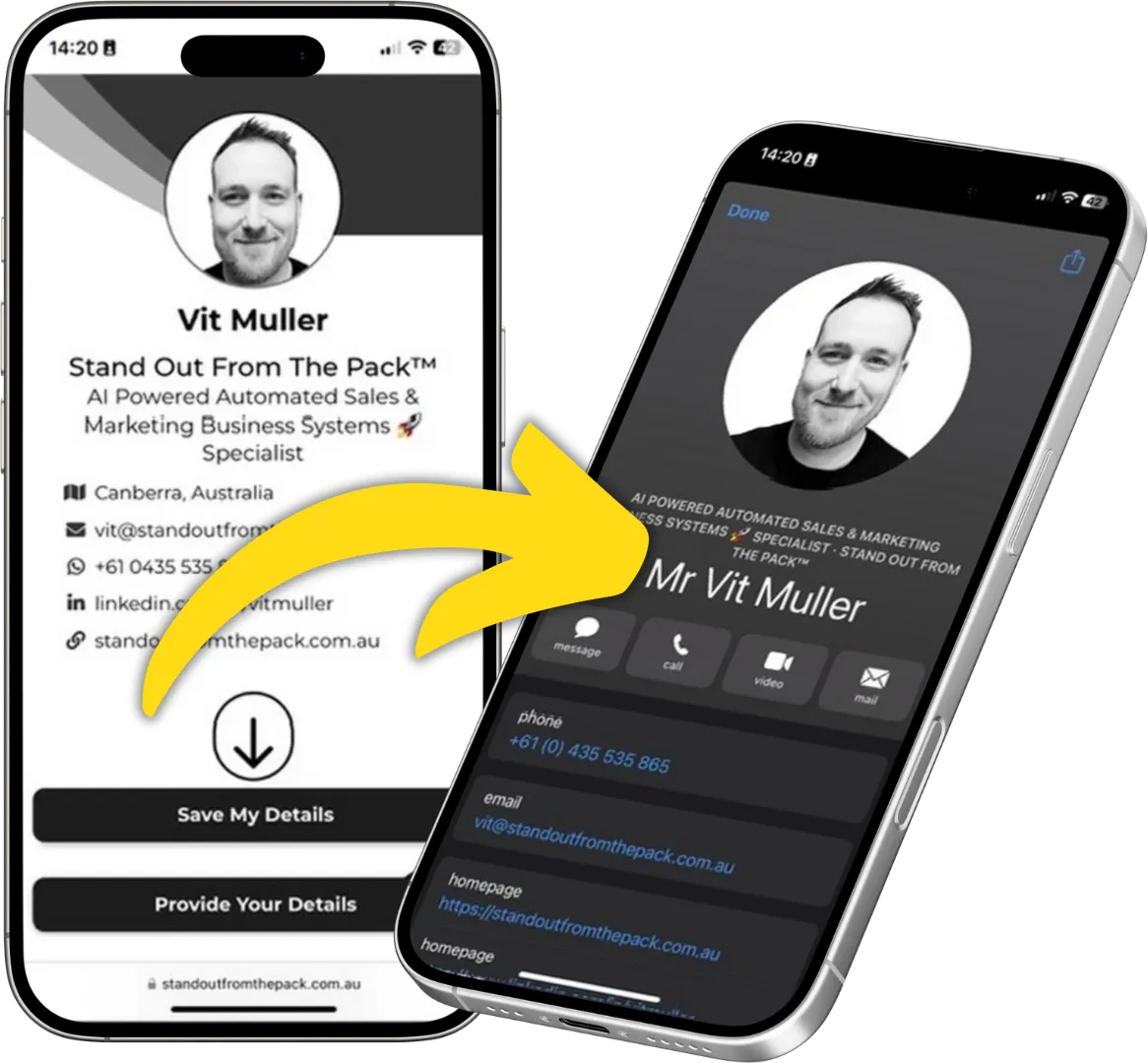
Still Handing Out Cards That End Up in the Wash?
Share your details in one tap so people can save you, call you or book you on the spot. Yours free.