


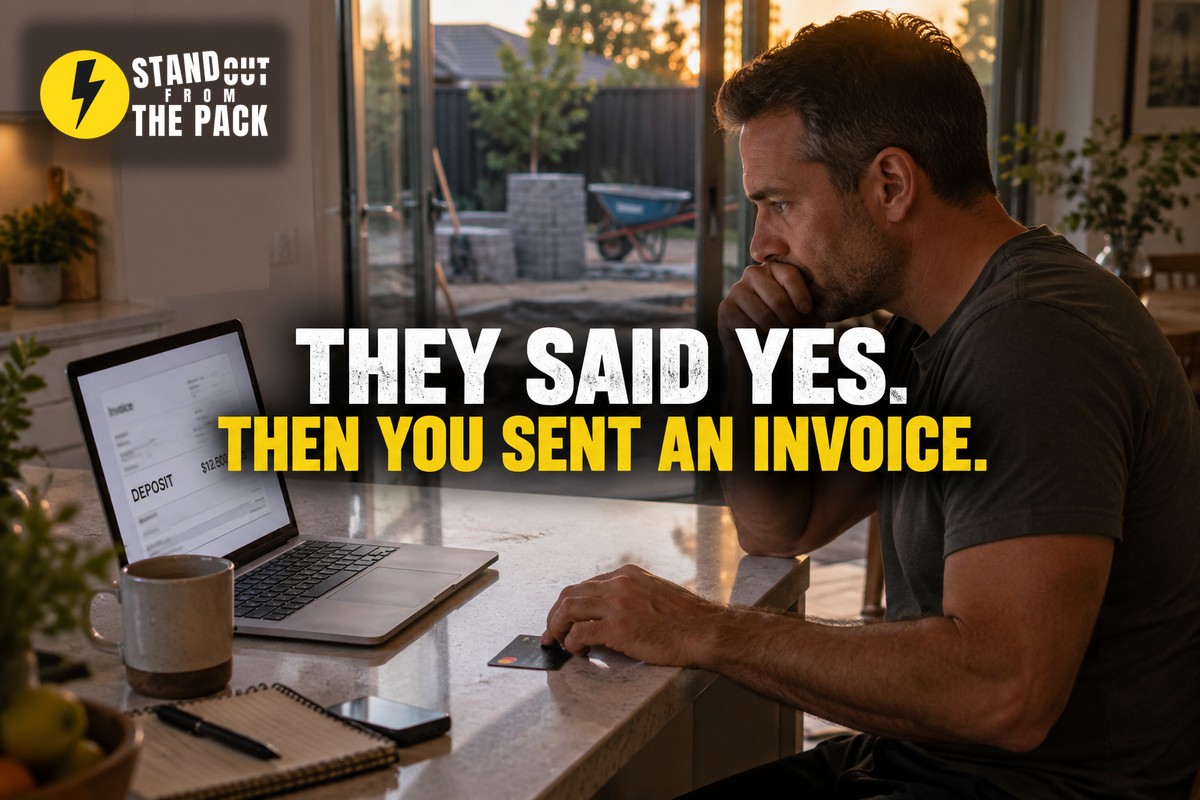
Your Customer Said Yes. Then You Sent Them an Invoice.
Quick story.
A few months back I helped a mate book a landscaper for a fairly big job. Three quotes, a couple of site visits, the usual. One of them was clearly the best fit and my mate said so on the phone. "Yep, let's do it." Great conversation, everyone happy.
Two days later an invoice arrived. A PDF, from a system that clearly generates a lot of PDFs. One line: "Deposit. $4,800." No note. No mention of what the deposit locked in, when work would start, or what happened after he paid it. The due date said "on receipt", which sounds urgent and means nothing.
And here is the thing. My mate had already decided. The sale was won. But he sat on that invoice for nine days, because every time he opened it he had a question, and paying $4,800 with an open question in your head feels like a risk. So he did what everyone does with a risk. He put it off.
The landscaper, meanwhile, was quietly wondering whether he had lost the job.
Nobody changed their mind. The decision just stopped moving, and it stopped moving at the exact point where it should have sped up.
Between us, this is one of the most common leaks I see in small businesses, and one of the least talked about. We spend all our energy on getting the yes. Then we hand the customer a payment step that has had roughly zero design thought put into it, and we wonder why "yes" takes two weeks to turn into money.
Why does a decision stall after the customer has already said yes?
Because saying yes and paying are two different moments, and the second one has its own set of doubts.
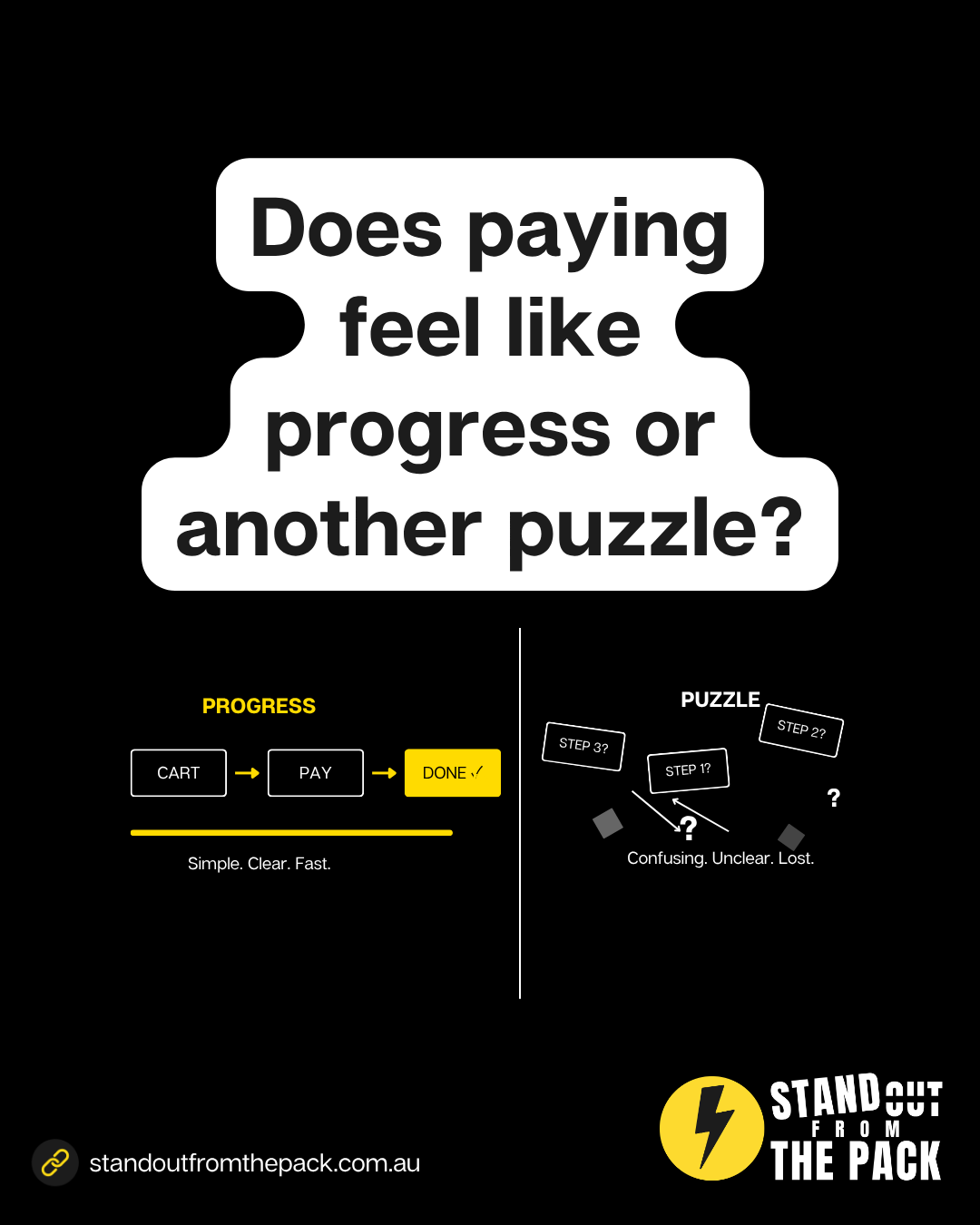
The invoice does not explain itself. What does this amount cover? Is it the whole job or a deposit? What am I actually committing to right now? If the customer has to ring you to find out, most will not ring. They will wait.
Nothing tells them what happens next. Once I pay, is my date locked in? Will someone contact me? Do I need to do anything? A payment with no visible "then what" feels like money going into a void.
The follow-through is silent. They pay, and.. nothing. No confirmation, or a bank style receipt that looks like it was designed by an accountant in 1997. Now they are wondering if it went through, and you are wondering why they emailed asking if it went through.
The urgency is fake or missing. "Due on receipt" and no due date both do the same thing, which is nothing. A real date and a reason for it is what moves people.
None of this is the customer being difficult. They are doing exactly what any of us do when we are asked to hand over money without the full picture: hesitate.
How do you build a payment journey that keeps the customer moving?
This is the structure I keep coming back to, whether it is a deposit for a renovation, the first month of a coaching program, or a booking fee at a clinic. Six pieces. And the reason it works is that every one of them removes a question before the customer has to ask it.
1. Set the payment up in the conversation, not the invoice. Before you hang up or leave the site: "So the next step is a deposit of X, that locks in your start date, and you will have the invoice within the hour. Pay that and we are officially on." Now the invoice is a confirmation, not a surprise.
2. Make the invoice say something. Three or four lines above the amount. What it covers. What it secures. What happens once it is paid. Who to contact with a question. It takes thirty seconds to write once as a template and it saves you nine days per customer.
3. Give them a real due date and a way to pay in two clicks. A date, a short reason ("so we can hold your slot for the 14th"), and a payment link that works on a phone. If they have to log in somewhere, find a BSB, or print anything, you have added friction at the worst possible moment.
4. Confirm the payment like a human. The moment it lands: "Got it, thank you. Your start date is locked in for the 14th. Next, you will hear from Sam on Monday to run through access and materials." Receipt attached, sure, but the message is the point.
5. Hand them the next milestone straight away. Is there a form to fill in? A preparation step? A welcome call to book? Send it with the confirmation, not three days later when someone remembers. The customer is at peak enthusiasm right after paying. Use it.
6. Tell your own team at the same time. The payment should create the internal task, move the deal to "paid", and put the job on the right person's list. If your team only finds out when someone checks the bank, the customer will notice the lag before you do.
What usually goes wrong?
The invoice is generated but never designed. The accounting tool spits out a template, and nobody has ever read it as a customer. Open your own invoice on your phone. If you would have a question, so do they.
The reminder is the only communication. Silence, silence, then "OVERDUE". That is not a payment journey, that is a debt collection journey, and it is a rotten way to start a relationship.
Confirmation depends on someone noticing. Payment lands Friday afternoon, the confirmation goes out Tuesday. In between, the customer emails "did you get my payment?" and now you are answering a question you should never have received.
The next step is verbal. "We will be in touch." When? Who? About what? Vague next steps are where momentum goes to die.
Deposit and balance are treated the same. The balance invoice arrives with no reminder of what has been delivered, no reference to the original agreement, and the customer has to go digging through emails. Every invoice should carry its own context.
Why is this better than the alternatives?
"We just send the invoice and wait." You will get paid, eventually, by most of them. But "eventually" is cash you cannot use, and the ones who do not pay are rarely saying no. They are saying "I had a question and never got around to asking".
"We chase by phone." It works, and it costs you an hour a week of the most awkward calls in business. Chasing is what you do when the system did not do its job.
"We ask for payment on the spot." Brilliant when you can. But for anything with a deposit, a proposal or a second decision maker, there is a gap between yes and pay, and the gap needs designing.
A designed payment journey turns that gap into the most reassuring part of the whole experience. The customer pays faster, asks fewer questions, and starts the relationship feeling looked after. That is a very good place to start from.
How does this work inside Stand Out From The Pack?
Everything above is invoices with a template, a payment link, a couple of automated messages, a pipeline stage and a task. Every customer on any plan has those tools from day one. The variable is who wires them together.
- Do it yourself, with support. Every plan includes onboarding for the owner and the team, a knowledge base with interactive guides, 24/7 live chat with real people and weekly Open Office Hours (all listed on our support page). "Make my invoice confirm itself and hand the customer the next step" is a very normal Office Hours request, and it is a good one.
- Get the foundations done for you. Our done-for-you account setup connects payments, email and text so the confirmation actually arrives from your business, not from a generic sender.
- Have us build the whole journey. The paid stage trigger, the confirmation messages, the next milestone hand-off and the internal task are part of the Sales Conversion System in our Profit Roadmap, and the post-payment nurture sits in the Repeat Business System. If your billing is more particular, deposits and balances and progress claims, it becomes a custom project.
Either way the outcome is the same. The customer says yes, the invoice explains itself, the payment confirms itself, and the next step is already in their inbox before anyone on your team has looked up.
If this stage of the journey sounds familiar, you might also like the last one we wrote about, when your customer has to explain your offer to someone else. It is the step just before this one, and the two leaks feed each other.
What just happened behind the scenes of this article?
A short aside, because we should be the proof of what we preach.
Today's social post asked you to comment JOURNEY. When you do, an automation picks up your comment, sends you a direct message within a minute with a short guide on this exact topic, and opens a conversation in our inbox with your name on it. If you reply, one of us picks it up with the full history in front of us. If you go quiet, you get one gentle follow-up a couple of days later, and then we leave you alone.
Notice the pattern. Something happens, the system confirms it, you get the next step immediately, and our team gets a task instead of a memory. It is the same logic as the payment journey above, pointed at a comment instead of an invoice. And it runs in our own account on the same platform our customers use, built the way any of them could build it, or have us build it for them.
A quick check for your own business
- Open your most recent invoice on your phone. Does it explain what the payment covers and what happens next?
- How long, on average, between "yes" and money in the bank?
- What does the customer receive in the sixty seconds after they pay?
- Does the payment create a task for your team automatically, or does someone check the bank?
- When did a customer last email you to ask "did you get my payment?"
Frequently asked questions
Should I take a deposit or the full amount up front? Whatever suits your service and your customer's risk tolerance. The journey matters more than the split. A well explained deposit gets paid faster than a badly explained full amount.
Is it pushy to put a due date on a deposit? Not when you give the reason. "Due Friday so we can hold your start date" is helpful. "Due on receipt" is just noise.
What if the customer pays but the next step is not ready yet? Tell them that. "Payment received, thank you. Your welcome pack arrives Monday once we have set up your file." A clear wait is fine. A silent wait is not.
Does this work for recurring subscriptions? Yes, and it matters even more. The first payment should trigger the whole onboarding, and every renewal should carry a short line about what was delivered in the period it covers.
Want to see what this would look like for your customers? Comment JOURNEY on the post on Facebook or Instagram and we will pick it up from there.



Live, Practical, Zero Jargon
Short sessions on follow-up, systems and AI you can put to work the same afternoon. Get on the list and we'll tell you when the next one's on.
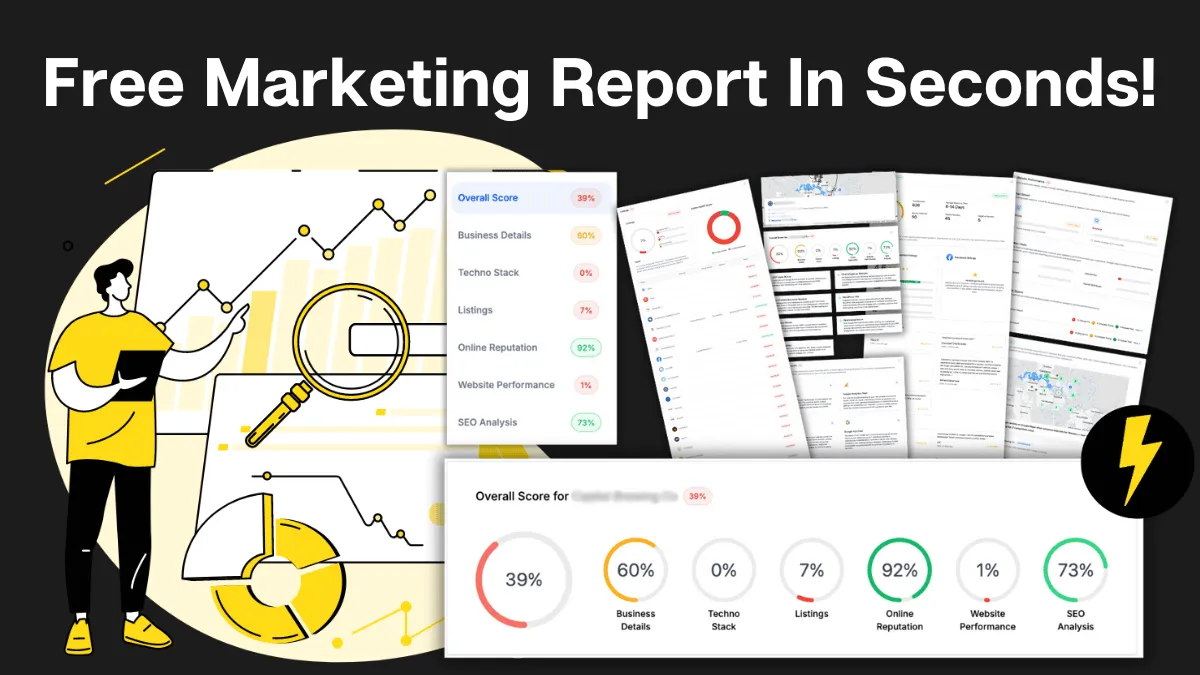
How Do You Stack Up Against the Business Down the Road?
See how you show up online next to competitors near you: reviews, listings, visibility. Free, and no homework required.

Supercharge Your Business!
Transform your business growth with our all-in-one sales and marketing software. Capture, nurture, and close more leads with ease. Don't miss out on the opportunity to streamline your operations and drive success.

See It Working Before You Talk to Anyone
Watch an enquiry get caught, answered and booked in without you glued to your phone. Your pace, no pressure.

Never miss an update from Business Booster Insights. Subscribe to our 'Level Up Newsletter' and get expert tips, strategies, and exclusive content delivered straight to your inbox. Elevate your business game today!
Your Clients Need Better Follow-Up. You Could Earn From It.
Accountants, coaches and consultants spot leaky businesses every day. Recommend the fix and earn ongoing commission.
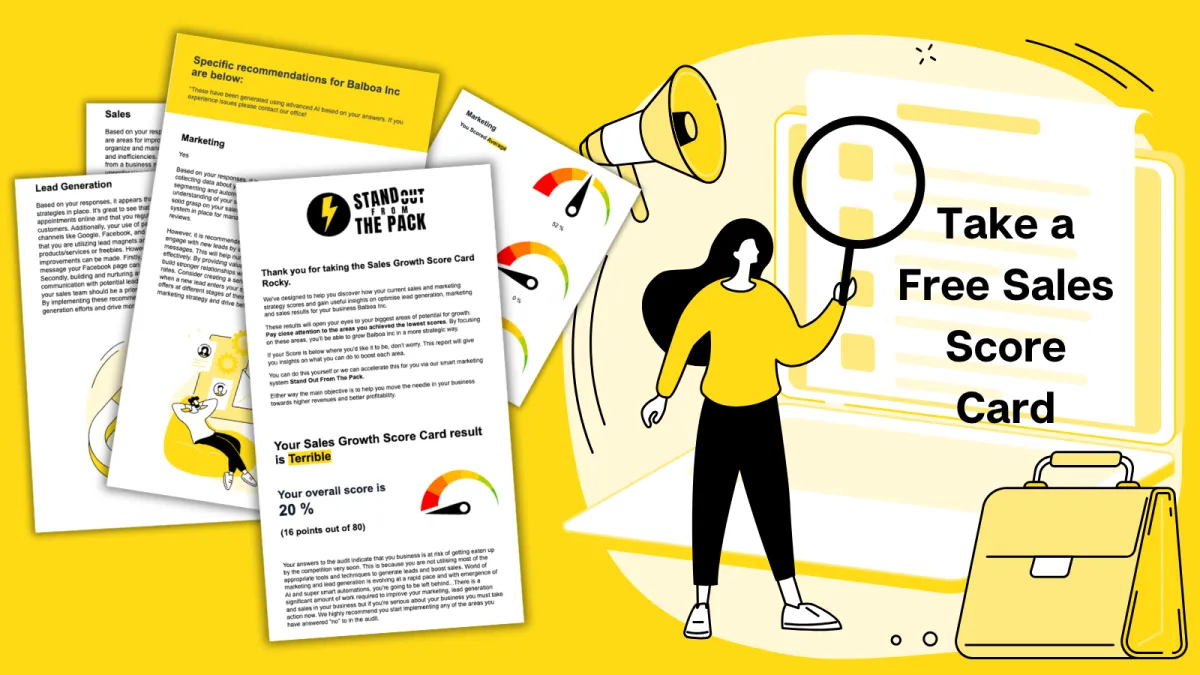
Where Are Your Enquiries Going Cold?
Answer a few quick questions and see exactly where leads slip between "just asking" and "let's book." Takes less time than your next coffee order.
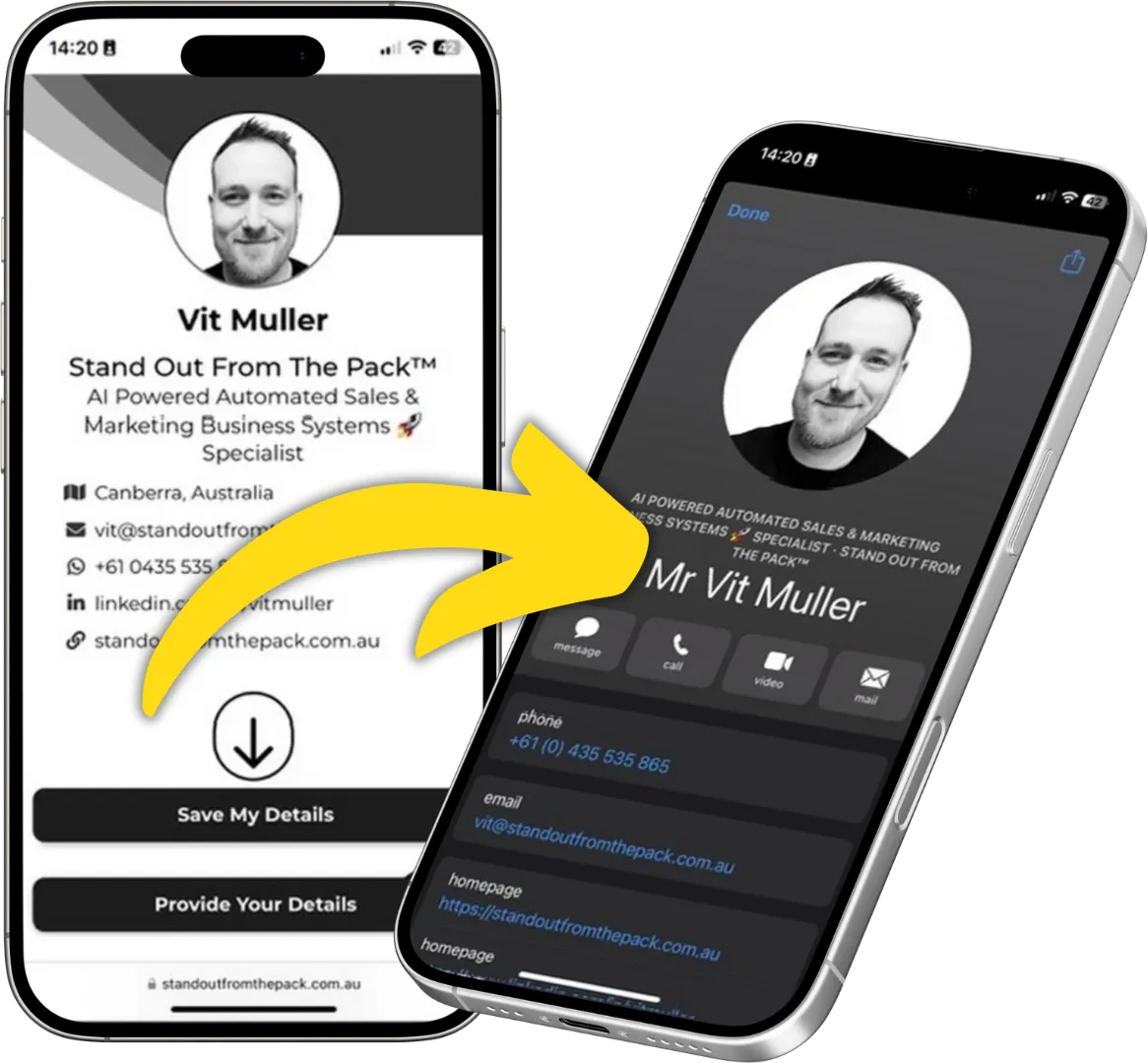
Still Handing Out Cards That End Up in the Wash?
Share your details in one tap so people can save you, call you or book you on the spot. Yours free.