



They Said "I Need to Think About It." What Happens Next?
Quick story about the most polite sentence in sales.
Picture a financial planning practice in a regional city. On a Tuesday afternoon, a couple in their late fifties sit down with one of the advisers for a first meeting about retirement. It goes really well. They ask good questions and the wife writes three things down on the back of an envelope.
Then, as the adviser walks them to the door, the husband says it. "This all sounds great. We just need to think about it."
Everyone smiles. The adviser says, "Of course, take your time." And the door closes.
Here is what happens next in most businesses. On Friday, a short email: "Just checking whether you have had a chance to think things over?" No reply. Ten days later: "Just following up on my last email." By the end of the month the opportunity is quietly moved to "lost".
But think about what was actually going on at their kitchen table. The wife was not sure how the ongoing fee worked and felt awkward asking in the room. The husband wanted to talk it over with his brother, who "knows about this stuff". And they both wanted to see what their super fund said first. Three perfectly solvable concerns. None of them were ever asked about.
Nobody said no. The follow-up just never found out what "think about it" meant.
What does "I need to think about it" actually mean?
It is rarely a no. Most of the time it is a placeholder for something more specific that the prospect has not said out loud.
In my experience, it usually means one of five things:
They need more information. Something was unclear, often the price, the process or what happens after they sign.
They need reassurance. They like you, but they are not yet sure it will work for someone like them. They want proof, not more enthusiasm.
They need time. The timing genuinely is not right, or there is something else to sort out first (a renovation, a lease, end of financial year).
They need someone else to agree. A partner, a business partner, a manager, a family member. The decision is not theirs alone.
They are politely saying no. It happens, and that is fine. But it is far less common than most people assume.
And this is why the standard follow-up fails. "Have you had a chance to think about it?" treats all five the same and answers none of them. It puts the prospect on the spot to decide or make an excuse, so they do the easiest thing, which is not reply.
How do you follow up when a prospect needs time?
The goal is not to push a decision. It is to keep the conversation alive and useful until a decision is easy to make. Six steps.
1. Acknowledge it, then ask one gentle question. In the moment, do not argue with "I need to think about it", and do not just say "no worries" either. Acknowledge it and ask: "Of course. So I can send you something useful, what is the main thing you will be weighing up?" Most people will happily tell you. That single answer is worth more than ten follow-up emails.
2. Agree on a time to reconnect, together. "Would it help if I checked in next Thursday, once you have had a chance to talk it over?" A follow-up the prospect agreed to is not chasing. It is a commitment you both made, and it gives the decision a gentle deadline instead of an open-ended maybe.
3. Record the reason, not just the status. Write down what they said they need, in a field or tag on their record, not in your head. "Wants to understand the ongoing fee", "Talking to brother first", "Waiting on super fund statement". This is the bit almost everyone skips, and it is the bit that makes every later step work.
4. Send follow-up that answers the actual concern. Now each message has a job. Unsure about the price? Send a clear breakdown of how pricing works and what is included. Need proof? Send a relevant client story or two reviews from people in a similar situation. Talking to someone else? Send a short summary they can forward. Need time? Send something useful for the wait, and a reminder of the date you agreed.
5. Let the system remind you when a person is needed. Automated messages can carry the information, but some moments need a human voice. Set a task for the agreed reconnect date so the right person calls on the right day, with the reason in front of them. "Hi Margaret, you mentioned the fee was the thing you wanted to think through. Did the breakdown I sent help, or is there a part of it worth talking about?"
6. Close the loop either way. If the answer becomes "not now", agree when to check back and move them to a lighter nurture. If it becomes "no", thank them and ask what tipped it. You will learn more from a polite no than from ten maybes.
The thread through all six: find out what they are thinking about, then help them think about it.
What usually goes wrong?
Pressure in the moment. Trying to close the deal at the door ("this price is only valid today") turns a thoughtful prospect into a defensive one. If they need time, give it, and make the time useful.
"Just checking in" messages. Every follow-up should give the prospect something: an answer, a piece of proof, a useful next step. A message with nothing in it simply asks them to do the work of replying.
Giving up after two attempts. Decisions that involve money, trust or other people take longer than we would like. Two emails in ten days is not persistence, it is a coin toss. A respectful sequence over a few weeks, with real value in each message, keeps you in the conversation.
Treating every pause the same. One generic sequence for every hesitant prospect is better than nothing, but only just. Match the follow-up to the reason.
No visibility of who is thinking. If you cannot see how many prospects are currently "thinking about it", and for how long, you cannot help them along. These opportunities need their own stage in your pipeline, with the reason attached.
Why is this better than the alternatives?
"We just leave it with them." Very respectful, and very quiet. Most prospects mean to come back, then life gets in the way.
"We chase until they answer." Persistence without value feels like pressure, and pressure makes people go quiet faster. It can work on the odd prospect, but it costs you goodwill with the rest.
"We offer a discount to speed it up." Between us, discounting a decision that was never about price is about as useful as a chocolate teapot. If the real concern was the brother, the super fund or the fee structure, a discount solves none of it and trains people to wait for a better offer.
The approach above respects the size of their decision without letting the opportunity die of neglect. Respectful follow-up keeps the conversation alive without making anyone feel chased.
If the thing they need to think about is someone else's opinion, our earlier piece on helping customers explain your offer to someone else goes deeper on that exact situation.
How does this work inside Stand Out From The Pack?

Every customer has the tools for this from day one: a pipeline stage for prospects who are considering, a custom field or tags to record the reason for the pause, follow-up sequences by email and text that branch on that reason, tasks with due dates for the agreed reconnect, and one inbox so whoever calls can see the full conversation. What varies is who sets it up.
- Do it yourself, with support. Every plan includes onboarding for the owner and the team, a knowledge base with 50 plus interactive guides, 24/7 live chat with real people and weekly Open Office Hours (all on our support page). Bring your five most common hesitation reasons to Office Hours and we will help you map a follow-up path for each one.
- Get the foundations done for you. Our done-for-you account setup connects your email, phone number and calendar properly, so your follow-up messages actually land and replies come back to one place.
- Have us build it. Follow-up journeys that branch on the prospect's concern are part of the sales systems in our Profit Roadmap. A single job like "add a considering stage with reason-based follow-up" sits on our services menu, and a full sales follow-up build becomes a custom project.
If your replies to new enquiries could use the same treatment, last week's piece on replies that give your lead a clear next step is the natural companion to this one.
What just happened behind the scenes of this article?
A small, real example of follow-up that starts with what you asked for.
Today's social post asked you to comment LEADS. When you did, an automation picked up the comment and, within a minute, Alfie (Vit's AI sidekick) sent you a direct message with this article.
Notice what it did not do. It did not send you a generic "thanks for your interest, how can we help?" message. You told us what you were interested in by commenting on a post about one specific topic, so the follow-up answered that topic. Same principle as this whole article: find out what the person is thinking about, then send them something that helps with exactly that.
It runs in our own account on the same platform our customers use, built the way any of them could build it, or have us build it for them.
A quick check for your own business
- When a prospect says they need to think about it, does your team ask what they will be weighing up?
- Do you agree a specific time to reconnect before the conversation ends?
- Is the reason for the pause recorded somewhere the whole team can see?
- Does your follow-up answer that reason, or does it just ask whether they have decided?
- Can you see right now how many prospects are thinking it over, and for how long?
Frequently asked questions
Is it pushy to ask what they need to think about? Not when it is asked kindly and for their benefit. "So I can send you something useful, what is the main thing you will be weighing up?" comes across as helpful, because it is.
How many times should I follow up? There is no magic number, but most businesses stop far too early. A sequence of four to six genuinely useful messages over three or four weeks, plus a personal call on the agreed date, is reasonable for a considered purchase. Stop when they say no, not when you feel awkward.
What if they will not say why they are hesitating? That is fine. Send a short message covering the most common concerns (price, process, proof and timing) and invite them to reply with the one that matters most. Their reply, or which link they click, often tells you.
Should this follow-up be automated or personal? Both. Let the system send the useful information and remind you on the right day, and keep the human conversation for the moments that need judgement and warmth.
Do opportunities in your business go quiet after a positive conversation? Comment LEADS on the post on Facebook or Instagram and we will take it from there.




Live, Practical, Zero Jargon
Short sessions on follow-up, systems and AI you can put to work the same afternoon. Get on the list and we'll tell you when the next one's on.
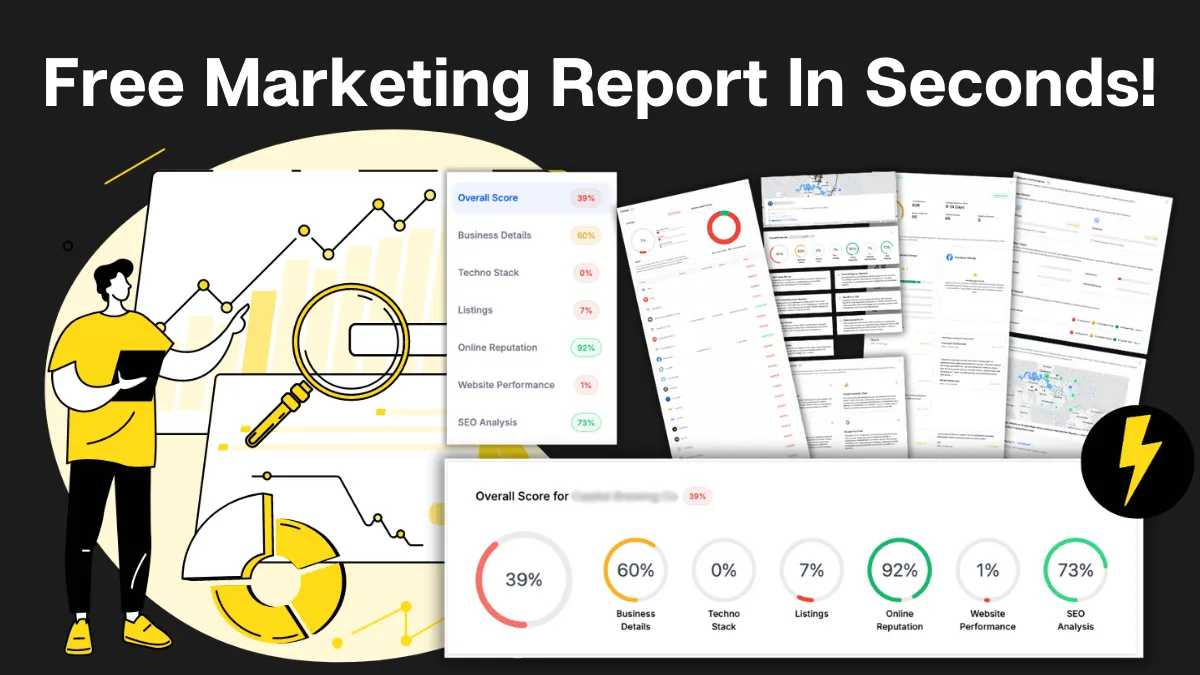
How Do You Stack Up Against the Business Down the Road?
See how you show up online next to competitors near you: reviews, listings, visibility. Free, and no homework required.

Supercharge Your Business!
Transform your business growth with our all-in-one sales and marketing software. Capture, nurture, and close more leads with ease. Don't miss out on the opportunity to streamline your operations and drive success.

See It Working Before You Talk to Anyone
Watch an enquiry get caught, answered and booked in without you glued to your phone. Your pace, no pressure.

Never miss an update from Business Booster Insights. Subscribe to our 'Level Up Newsletter' and get expert tips, strategies, and exclusive content delivered straight to your inbox. Elevate your business game today!

Your Clients Need Better Follow-Up. You Could Earn From It.
Accountants, coaches and consultants spot leaky businesses every day. Recommend the fix and earn ongoing commission.
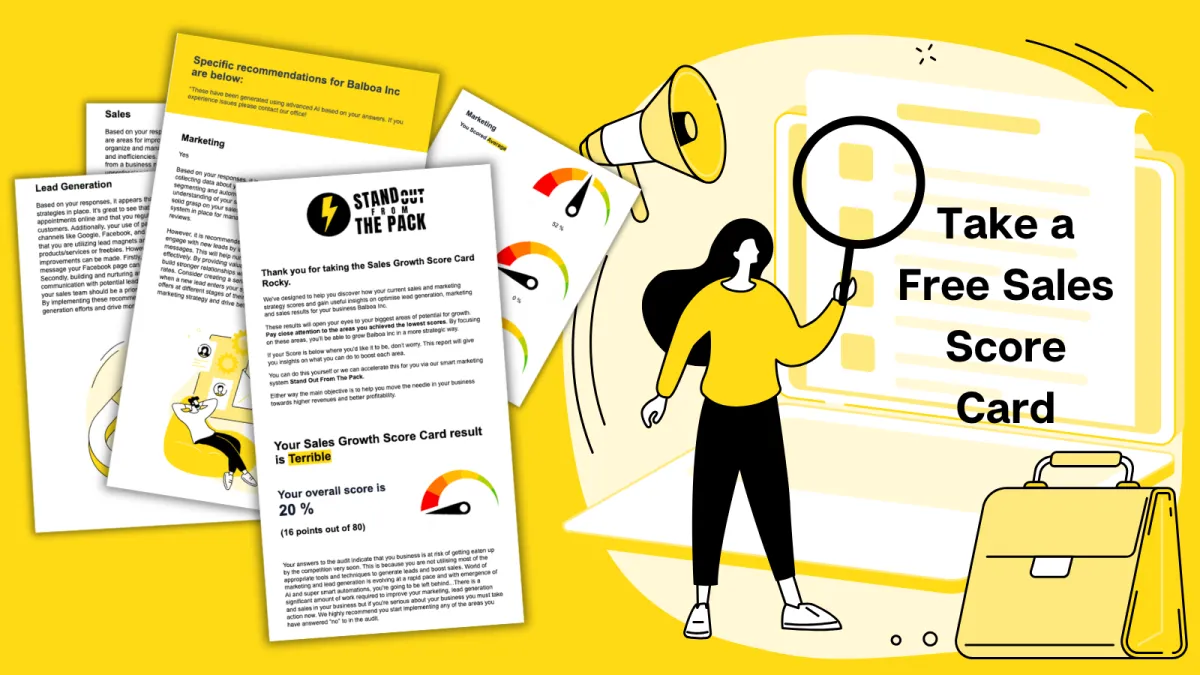
Where Are Your Enquiries Going Cold?
Answer a few quick questions and see exactly where leads slip between "just asking" and "let's book." Takes less time than your next coffee order.
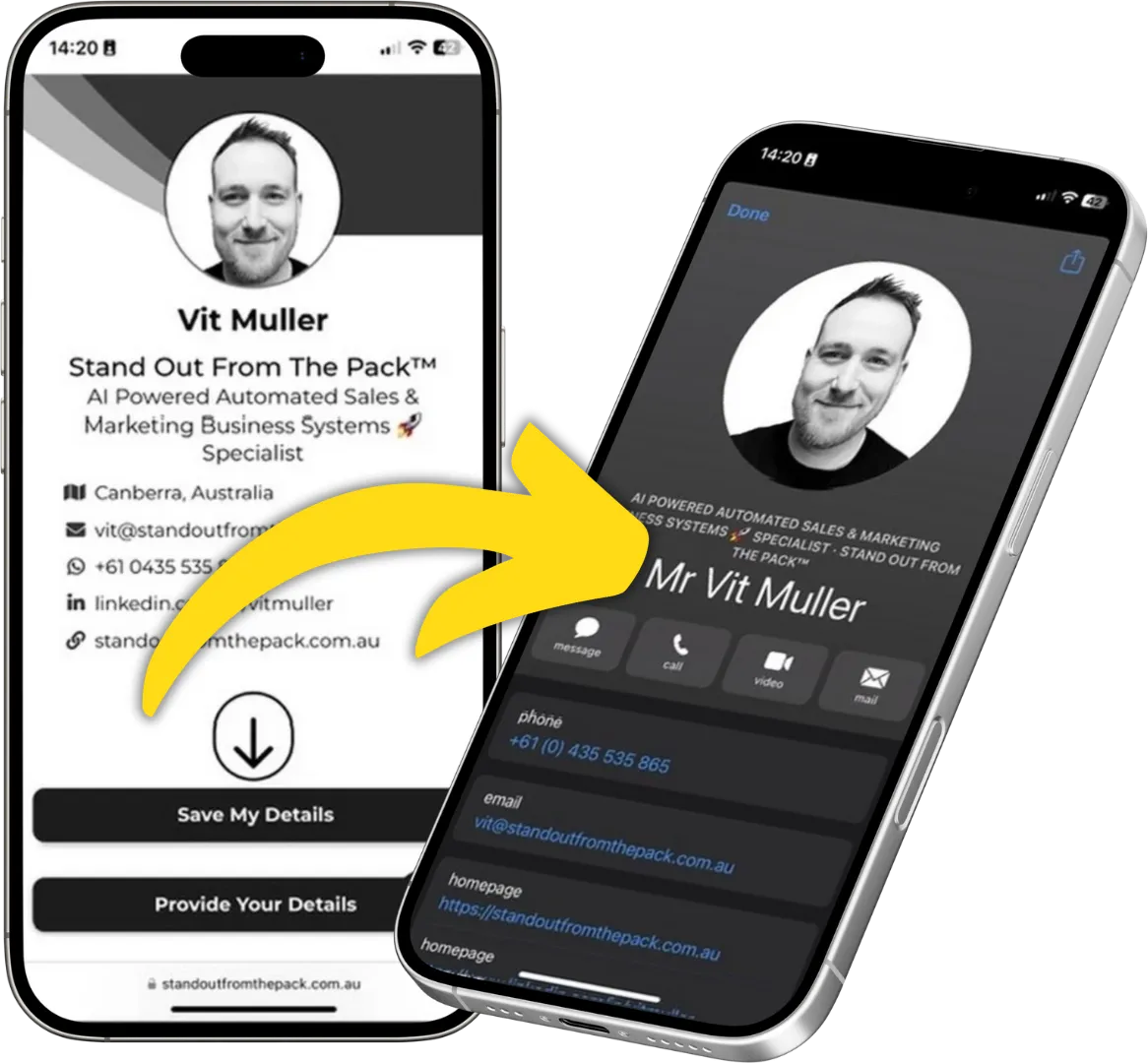
Still Handing Out Cards That End Up in the Wash?
Share your details in one tap so people can save you, call you or book you on the spot. Yours free.