



Everyone Saw the New Enquiry. So Who Was Meant to Follow Up?
I keep noticing the same pattern in busy teams. The more people who can see a new enquiry, the less likely anyone is to actually pick it up.
Picture an electrical contracting business with seven people: the owner, an office manager, two estimators and three sparkies on the tools. On a Monday morning, a property manager fills in the website form. She looks after a small block of shops and wants a quote for a switchboard upgrade and two car chargers in the rear car park. A lovely job, the kind that leads to more.
The enquiry lands in the shared inbox, and a notification pings four phones.
The office manager sees it and thinks, "Commercial, that is one for Dave." Dave, the commercial estimator, sees it on site and thinks, "Car chargers, that is usually Mia's area." Mia sees it between two quotes and assumes Dave has it, because it says "shops". The owner sees it at lunch, reads the first line, and thinks, "Great, the office will sort that."
Four people saw it. Four people felt reassured that someone was on it.
On Thursday, the property manager sends a polite email. "No need to get back to me, we have gone with another contractor who came out yesterday." The office manager forwards it to Dave with a question mark. Dave forwards it to Mia. And that is the only time all week the enquiry was actually assigned to anyone.
Here is the thing. Nobody was lazy. Everybody did exactly what the system asked of them, which was to notice. Visibility is not the same as accountability.
Why do enquiries fall through the cracks in a good team?
Because when everyone is responsible, nobody is. It is not a character flaw, it is how groups work, and it gets worse the busier everyone is.
Notifications spread awareness, not responsibility. Sending an alert to the whole team feels safe. In practice, each person quietly assumes someone better placed will take it. The more people notified, the stronger that assumption.
The rules live in people's heads. "Commercial goes to Dave, chargers go to Mia, anything urgent goes to the boss" works until an enquiry fits two rules at once, or none. Then it sits in the gap between them.
Nobody knows the deadline. Even when someone does pick up an enquiry, "I will get to it this week" feels reasonable from the inside. From the customer's side, three days of silence looks like you are not interested.
Nothing happens when nothing happens. If an enquiry is ignored, there is no alarm. The first sign of trouble is usually the customer telling you they have moved on.
And this is why so many businesses think they have a lead generation problem when they actually have an ownership problem. The enquiries are arriving. They are just not belonging to anyone.
How do you give every enquiry a clear owner?
Every new opportunity needs three things the moment it arrives: one owner, one next action and one deadline. Six steps to make that automatic.
1. Write down your assignment rules. Spend half an hour mapping who should own what. By service type, by location, by job size, or simply in rotation. Include a rule for "does not fit anywhere", because those are the ones that go missing. For the electrical business: commercial to Dave, residential and chargers to Mia, anything unclear to the office manager to assign within the hour.
2. Assign one person automatically, on arrival. Let the system apply the rules the moment the enquiry comes in, so it lands with a named person rather than a shared inbox. Others can still see it. But only one name sits next to it.
3. Give the owner a clear next action and a deadline. Create the task along with the assignment: "Call the property manager and book a site visit, due by 2pm today." A real deadline turns "I will get to it" into a specific commitment, and it tells the owner exactly what good looks like.
4. Make ownership visible to everyone. Anyone who opens the enquiry should see who owns it and what the next step is. That way the office manager can answer the phone with confidence ("Mia is looking after that, she will call you by two") instead of putting the customer on hold to find out.
5. Escalate when an enquiry goes untouched. If the deadline passes with no call, note or reply, the system flags it. First a reminder to the owner, then a heads-up to a backup or manager. Not to tell anyone off. Just to catch the opportunity while it is still warm.
6. Plan for leave, sick days and busy weeks. When someone is away, their new enquiries should route to someone else automatically. Check the rules whenever the team changes, so nobody leaves on holiday with five leads quietly piling up in their name.
The thread through all six: the owner of the business should not have to watch every enquiry to make sure someone else is watching it.
What usually goes wrong?
Assigning to a group instead of a person. "Sales team" or "office" is not an owner. If the name on the enquiry could be three people, it is effectively nobody.
Deadlines nobody believes in. If every task is due "today" and half of them slide, the team stops trusting the deadlines. Set response times you can genuinely hit, then hold them.
Escalation that feels like surveillance. If the first escalation goes straight to the boss with a red flag, people will feel watched rather than supported. Start with a friendly reminder to the owner and only widen it if the lead is still waiting.
Over-complicated rules. Twelve criteria and a flowchart sound thorough until an enquiry ends up stuck in a branch nobody expected. Start with two or three simple rules and a sensible default.
No one checks the results. Once a month, look at how quickly each person picked up their enquiries and how many reached a next step. It is the fastest way to spot an overloaded estimator or a rule that sends the wrong jobs to the wrong person.
Why is this better than the alternatives?
"We just notify everyone so nothing gets missed." That is exactly how things get missed. Everyone sees it, nobody owns it. Keep the visibility, but add a name.
"I check every enquiry myself." Plenty of owners do, and it works until they are on a job, on leave or simply flat out. A process that depends on the owner watching is a process that stops when the owner does.
"Our team is small, we all just know." Small teams are actually where this bites hardest, because everyone is wearing three hats. Between us, "we all just know" is usually the sentence said right before "wait, I thought you had it".
The payoff: faster responses, fewer lost opportunities, a team that knows exactly what is theirs, and an owner who can step away from the inbox without worrying. A few weeks ago we wrote about systems that flag their own failures. Escalating an untouched enquiry is that same idea, applied to the most valuable moment in your sales process.
How does this work inside Stand Out From The Pack?
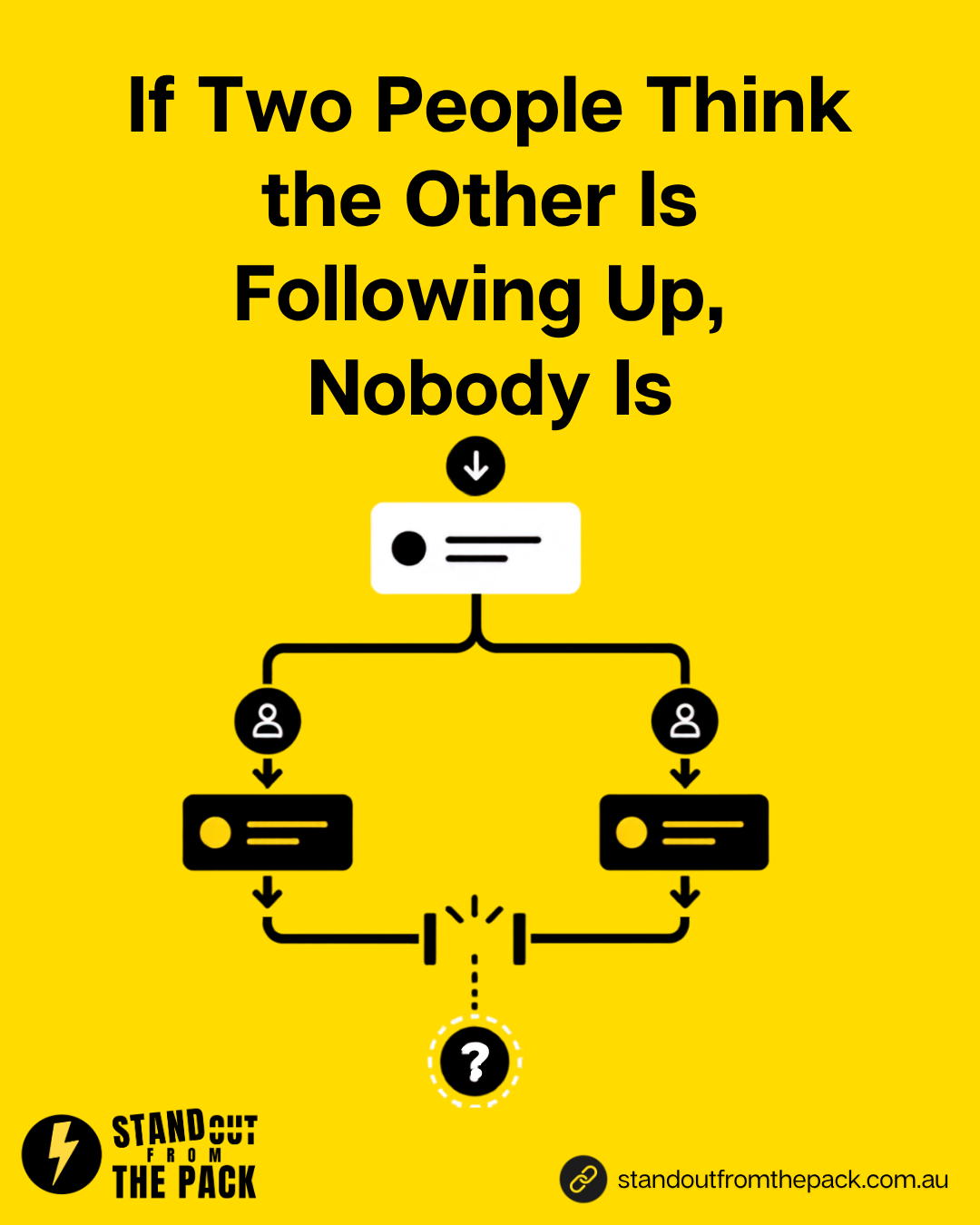
Everything above can be built with tools that are already in your account: automations that assign a new contact or opportunity to a team member based on the details in the form (or in rotation), tasks with due dates created at the same moment, a clear "assigned to" on every record and in the inbox, notifications to the owner rather than the whole team, and an automation that reminds the owner and then a backup if nothing has happened by the deadline. Every customer on every plan has those tools from day one. The only question is who sets them up.
- Do it yourself, with support. Every plan includes onboarding for the owner and the team, a knowledge base with 50 plus interactive guides, 24/7 live chat with real people and weekly Open Office Hours (all on our support page). Bring your "who handles what" rules to Office Hours, even scribbled on a napkin, and we will help you turn them into an assignment process, live.
- Get the foundations done for you. Our done-for-you account setup connects your phone number, email and inbox properly, so every enquiry arrives in one place where it can be assigned.
- Have us build it. Lead assignment and follow-up systems are part of our Profit Roadmap. A single job like "assign new enquiries by service with a response deadline and escalation" sits on our services menu, and a full routing setup across teams and locations becomes a custom project.
Once every enquiry has an owner, the next question is what that owner actually says. Monday's piece on replies that give your lead a clear next step covers exactly that.
What just happened behind the scenes of this article?
A tiny example of one owner, one action, one deadline.
Today's social post asked you to comment SYSTEM. When you did, an automation picked up the comment and, within a minute, Alfie (Vit's AI sidekick) sent you a direct message with this article.
Notice what did not happen. Your comment did not trigger a notification to the whole team in the hope that someone would reply eventually. That first step has exactly one owner (the automation), exactly one action (send this article) and a deadline measured in seconds. Nobody has to wonder whether somebody else already did it.
It runs in our own account on the same platform our customers use, built the way any of them could build it, or have us build it for them.
A quick check for your own business
- When a new enquiry arrives, is it assigned to one named person straight away?
- Does that person know their next action and the deadline for it?
- Can anyone on the team see who owns an enquiry without asking around?
- If an enquiry sits untouched past its deadline, does anything flag it?
- When someone is on leave, do their new enquiries go to someone else automatically?
Frequently asked questions
Should we assign enquiries by rotation or by specialty? Use specialty where the work genuinely differs (commercial versus residential, for example) and rotation within each group to share the load fairly. Most small businesses end up with a simple mix of both.
What is a reasonable response deadline? For most service businesses, aim for a first response within an hour or two during business hours, and the same day at the latest. Pick something your team can reliably hit, then improve it.
Will escalation make my team feel micromanaged? Not if it starts with a friendly reminder to the owner and only reaches a manager when an enquiry is genuinely at risk. Framed as a safety net, most teams welcome it.
What if the assigned person cannot help? Make reassigning easy and quick, with a short note explaining why. The rule is not "you must do it yourself". It is "you are responsible until someone else is".
Does lead ownership feel a bit unclear in your business? Comment SYSTEM on the post on Facebook or Instagram and we will take it from there.




Live, Practical, Zero Jargon
Short sessions on follow-up, systems and AI you can put to work the same afternoon. Get on the list and we'll tell you when the next one's on.
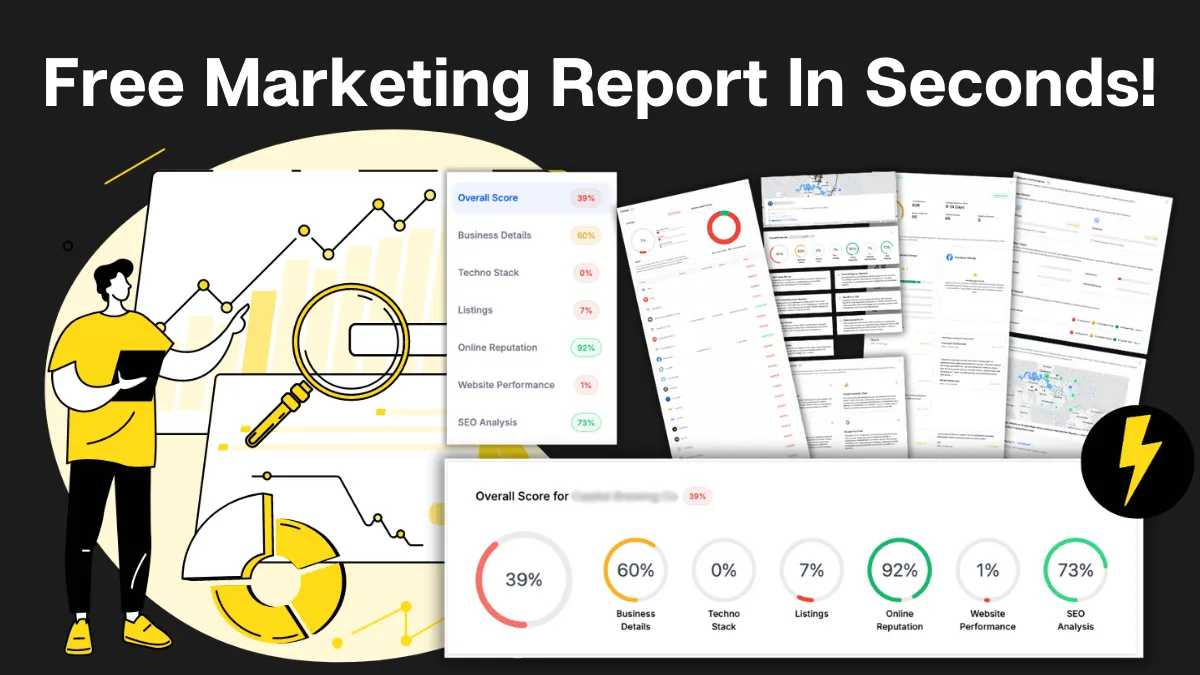
How Do You Stack Up Against the Business Down the Road?
See how you show up online next to competitors near you: reviews, listings, visibility. Free, and no homework required.

Supercharge Your Business!
Transform your business growth with our all-in-one sales and marketing software. Capture, nurture, and close more leads with ease. Don't miss out on the opportunity to streamline your operations and drive success.

See It Working Before You Talk to Anyone
Watch an enquiry get caught, answered and booked in without you glued to your phone. Your pace, no pressure.

Never miss an update from Business Booster Insights. Subscribe to our 'Level Up Newsletter' and get expert tips, strategies, and exclusive content delivered straight to your inbox. Elevate your business game today!

Your Clients Need Better Follow-Up. You Could Earn From It.
Accountants, coaches and consultants spot leaky businesses every day. Recommend the fix and earn ongoing commission.

Where Are Your Enquiries Going Cold?
Answer a few quick questions and see exactly where leads slip between "just asking" and "let's book." Takes less time than your next coffee order.
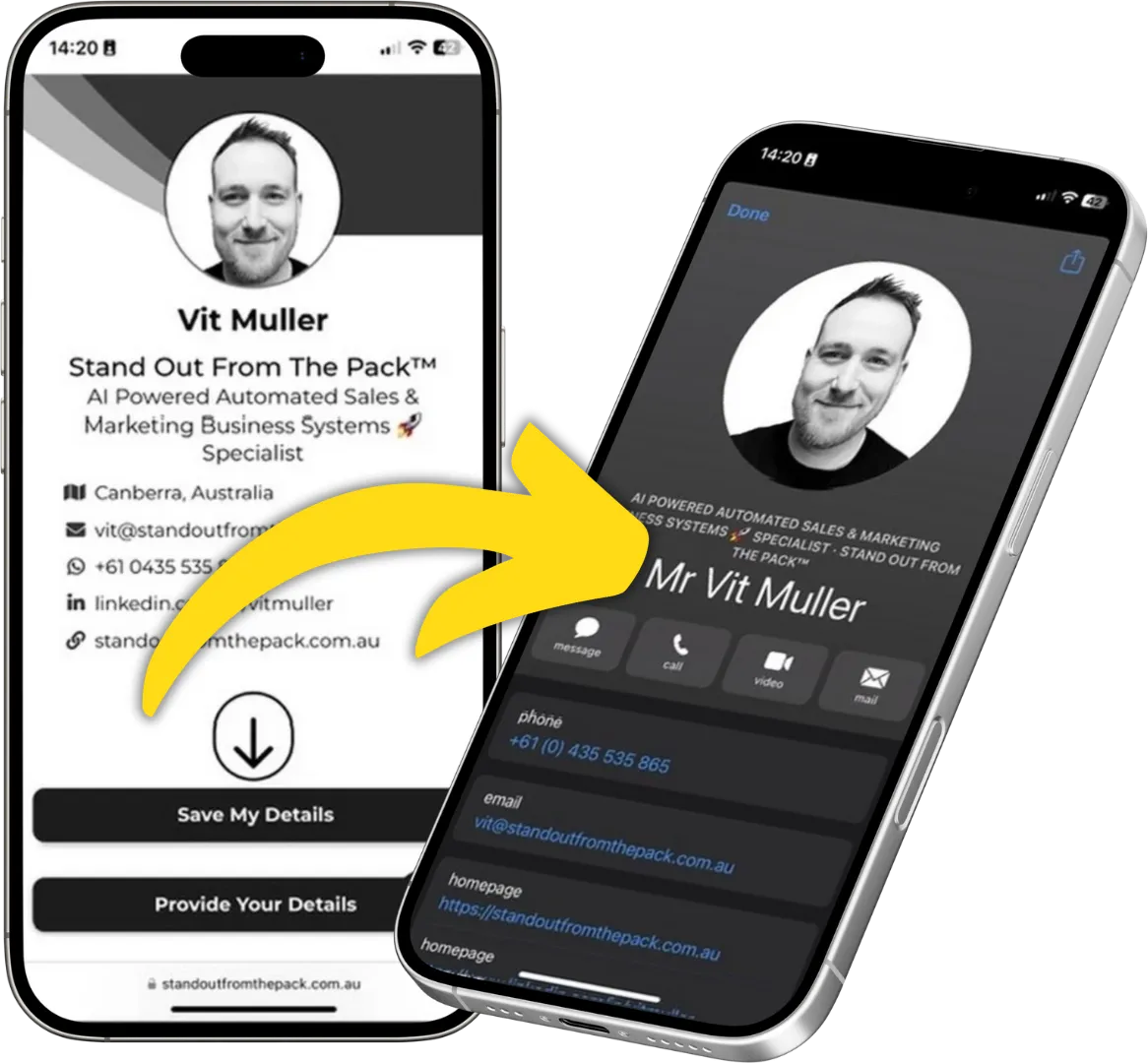
Still Handing Out Cards That End Up in the Wash?
Share your details in one tap so people can save you, call you or book you on the spot. Yours free.