


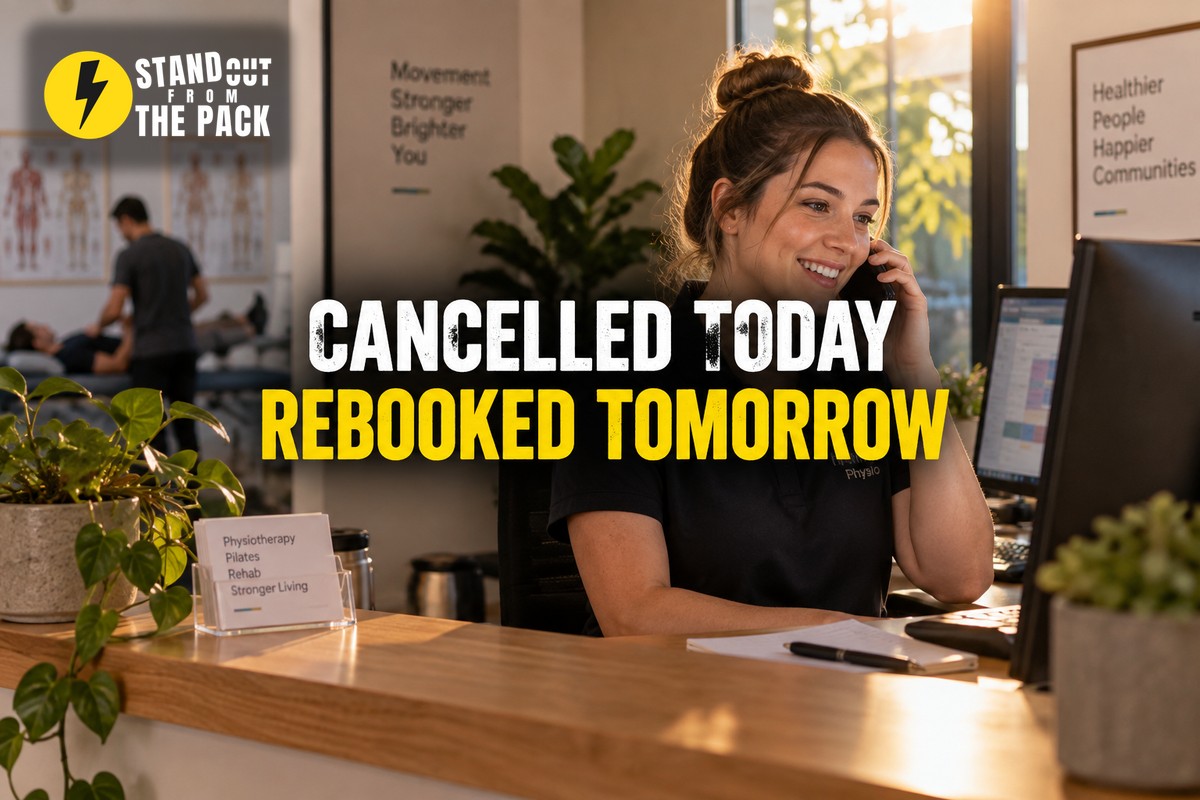
When a Customer Cancels, How Easy Is It to Come Back?
You know the feeling.
It is Tuesday night, you are looking at tomorrow, and you realise the 10am appointment you booked two weeks ago is not going to happen. The kids have a thing. Or work has a thing. Or you are just flat out and something has to give.
So you do the responsible thing and you cancel. Maybe you reply to the reminder text with "sorry, can't make it tomorrow". Maybe you click the cancel link. Maybe you ring and get voicemail and leave a slightly awkward message.
And then.. nothing happens.
Nobody offers you another time. There is no link to rebook. The reminder text you replied to came from a number that does not seem to be read by a human. You tell yourself you will sort out a new time on the weekend. The weekend comes and goes. Three weeks later you think "oh, I never rebooked that", and by then you are not quite sure whether you still want to, or whether it is worth the effort of starting the whole booking process again.
Between us, this is how a surprising number of customers quietly leave a business. Not because the business did anything wrong. Not because they found someone better. Just because cancelling was easy and coming back was not.
I see this in clinics, studios, trades, advisers and coaches. The booking journey is lovely, reminders go out on time. Then someone cancels, and the journey simply.. stops. As if the system was only ever designed for customers who turn up.
Why do cancelled appointments turn into lost customers?
Because in most businesses, cancellation is treated as the end of the journey instead of a detour.
The cancellation closes the record. The appointment gets marked cancelled, the slot opens up, and from the system's point of view the job is done. There is no step that says "now help this person rebook".
Rebooking is the customer's job. If they want to come back, they have to find the booking page, remember which service they had booked, pick a new time and maybe fill in their details again. Every bit of that effort is a reason to put it off.
Nobody on the team can see who has not come back. A cancelled appointment does not show up anywhere as "needs attention". Unless someone happens to remember, the customer is simply gone from view.
The follow-up feels awkward. Plenty of owners worry that chasing a cancellation looks pushy. So they say nothing, which feels polite and costs them the customer.
Plans change. That is normal and it will keep happening. The loss comes from what happens next, or more accurately, from the fact that nothing happens next.
How do you turn a cancellation into a rebooking?
The goal is not to prevent every cancellation. It is to give an interested customer a clear, easy route back, and to make sure your team can see who has not taken it yet. Six pieces.
1. Confirm the cancellation like a person. The moment someone cancels, they get a short, warm message: "No worries at all, Emma, your appointment for tomorrow at 10am is cancelled. Plans change." No guilt, no fine print up front. Just confirmation that you heard them and that it is fine.
2. Put the way back in the same message. Right under that confirmation: "Whenever you are ready, you can pick a new time here." With a direct link that takes them to the same service they had booked, not your home page. If they can rebook in two taps while they are still thinking about it, a lot of them will do it on the spot.
3. Follow up if they do not choose a new time. If there is no new booking after a sensible gap (a few days for a regular appointment, a week or two for a consultation), send one friendly nudge. "Hi Emma, just checking in. If you would still like that appointment, here is the link again, and if the times do not suit, reply here and we will find something that does."
4. Offer another option for people who cannot find a slot. Some customers do not rebook because none of the online times work. Give them a way to say so: reply to this message, request a call back, or join a waitlist for earlier times. The point is that "the calendar did not suit me" should never be the end of the conversation.
5. Keep cancelled customers visible to the team. Every cancellation without a rebooking should sit somewhere the team can see it, like a pipeline stage or a simple list called "cancelled, not yet rebooked". If the automated nudge does not bring them back, that list tells a human who might be worth a personal call.
6. Know when to stop. After the nudge and perhaps one personal touch, leave them be, and move them into your regular newsletter or nurture. Respecting a quiet "not right now" is part of what makes them comfortable coming back later.
The thread running through all six: the customer never has to restart the journey from scratch, and your team never loses sight of them.
What usually goes wrong?
The rebooking link goes to the home page. Now the customer has to navigate your whole website to find the booking page, pick the service again and re-enter their details. Link straight to the right calendar.
The message makes them feel guilty. "Please note late cancellations may incur a fee" as the first line of a cancellation reply does not bring anyone back. If you have a cancellation policy, fine, but lead with understanding and put the policy where it belongs.
The follow-up never stops. Four reminders in a week is not helpful, it is harassment with good intentions. One nudge, maybe one personal message, then back off.
The automation replaces the relationship entirely. For a long term client who cancels unexpectedly, a personal call from someone who knows them beats any automated message. The system's job is to flag that person, not to handle them like everyone else.
Nobody looks at the numbers. How many cancellations do you get a month, and how many of those rebook? If you do not know, you cannot tell whether the changes are working. Most businesses are surprised by that second number, usually not in a good way.
Why is this better than the alternatives?
"We charge a cancellation fee so people do not cancel." Fees can reduce last minute no-shows, and that has its place. But a fee does nothing for the customer who cancels properly and in good time, and if the fee is the only thing they hear from you, it can make coming back feel even less appealing.
"Our reception team rings everyone who cancels." Wonderful when it happens. In reality it happens on quiet days and does not happen on busy ones, which is exactly when cancellations pile up. An automated confirmation and nudge takes care of the majority, and frees your team to make the calls that matter most.
"If they want to come back, they will." Some will. Many will mean to and never get around to it. Customers do not leave because they decide to. They leave because life gets in the way and nothing brings them back.
A clear rescheduling journey protects the relationship at a slightly fragile moment. And a customer who cancels, gets a warm reply and rebooks in two taps often ends up trusting you more than one who never cancelled at all.
How does this work inside Stand Out From The Pack?
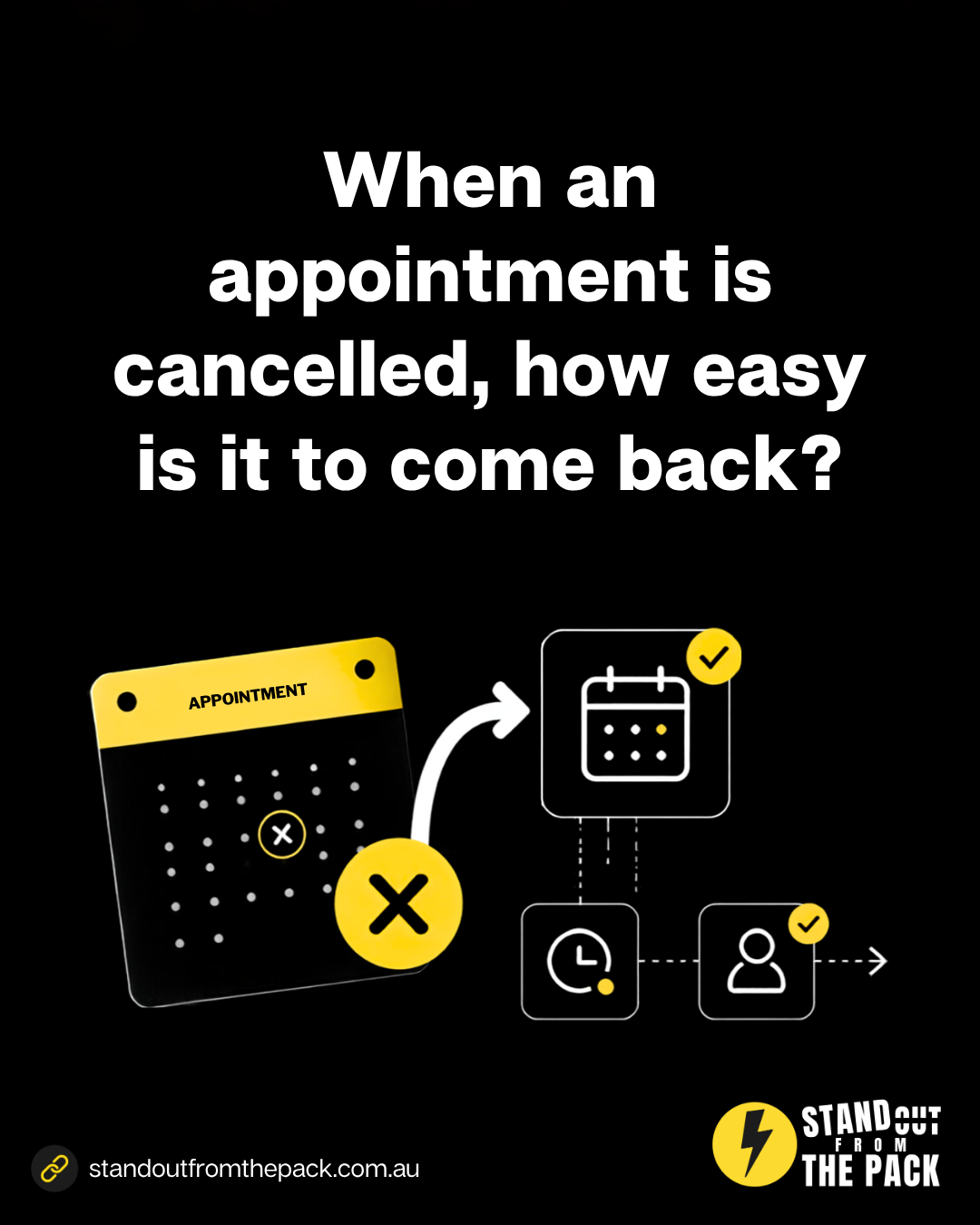
Everything above is online calendars with a direct booking link, automated messages that trigger when an appointment is cancelled, a follow-up that checks whether a new booking exists, a pipeline stage and a task for the team. Every customer on every plan has those tools from day one. The only question is who connects them.
- Do it yourself, with support. Every plan includes onboarding for the owner and the team, a knowledge base with 50 plus interactive guides, 24/7 live chat with real people and weekly Open Office Hours (all listed on our support page). Bring your current cancellation message to Office Hours and we will help you turn it into a rebooking journey, live.
- Get the foundations done for you. Our done-for-you account setup connects your calendars, phone number and email properly, so cancellation replies are read and rebooking links land in the right place.
- Have us build it. Confirmation, reminder, cancellation and rebooking flows are part of the booking and customer journey systems in our Profit Roadmap. A single job like "fix what happens when someone cancels" sits on our services menu, and if your scheduling is more complicated, multiple locations or staff or packages, it becomes a custom project.
Whichever route suits you, the result is a customer who cancels on Tuesday and has a new time booked by Wednesday, without anyone on your team having to remember to chase.
If you are working through the customer journey step by step, you might also like our piece on what happens right after a customer says yes. Same idea, different moment: find the point where the journey quietly stops, and give the customer a clear next step.
What just happened behind the scenes of this article?
A short aside, because we should be the proof of what we preach.
Today's social post asked you to comment JOURNEY. When you do, an automation picks up your comment, sends you a direct message within a minute with this article, and opens a conversation in our inbox with your name on it. If you reply, one of us picks it up with the whole history in front of us. If you go quiet, you get one gentle follow-up a couple of days later, and then we leave you alone.
Sound familiar? It is the rescheduling journey above, pointed at a comment instead of a cancelled appointment. Confirm, give a clear next step, nudge once, respect the silence. It runs in our own account on the same platform our customers use, built the way any of them could build it, or have us build it for them.
A quick check for your own business
- What exactly does a customer receive when they cancel an appointment with you today?
- Does that message include a direct link to rebook the same service?
- How many cancellations did you have last month, and how many of those people rebooked?
- Where can your team see customers who cancelled and have not come back?
- Who decides when a cancelled customer deserves a personal phone call?
Frequently asked questions
Will following up on cancellations annoy customers? Not if it is one friendly, useful message with an easy link. What annoys people is repeated pressure. One nudge plus a way to reply is helpful, not pushy.
How long should I wait before following up? It depends on your service. For regular appointments, two or three days works well. For consultations or larger jobs, a week or so. The aim is to catch them while they still intend to come back.
What about no-shows, not cancellations? Same journey, slightly different first message. Assume something came up, say you missed them, and offer an easy way to rebook. You can still apply your policy, but lead with the way back.
Should I offer a discount to encourage rebooking? Usually not. Most cancelled customers need convenience, not an incentive.
Want to see what a rebooking journey would look like for your customers? Comment JOURNEY on the post on Facebook or Instagram and we will take it from there.



Live, Practical, Zero Jargon
Short sessions on follow-up, systems and AI you can put to work the same afternoon. Get on the list and we'll tell you when the next one's on.
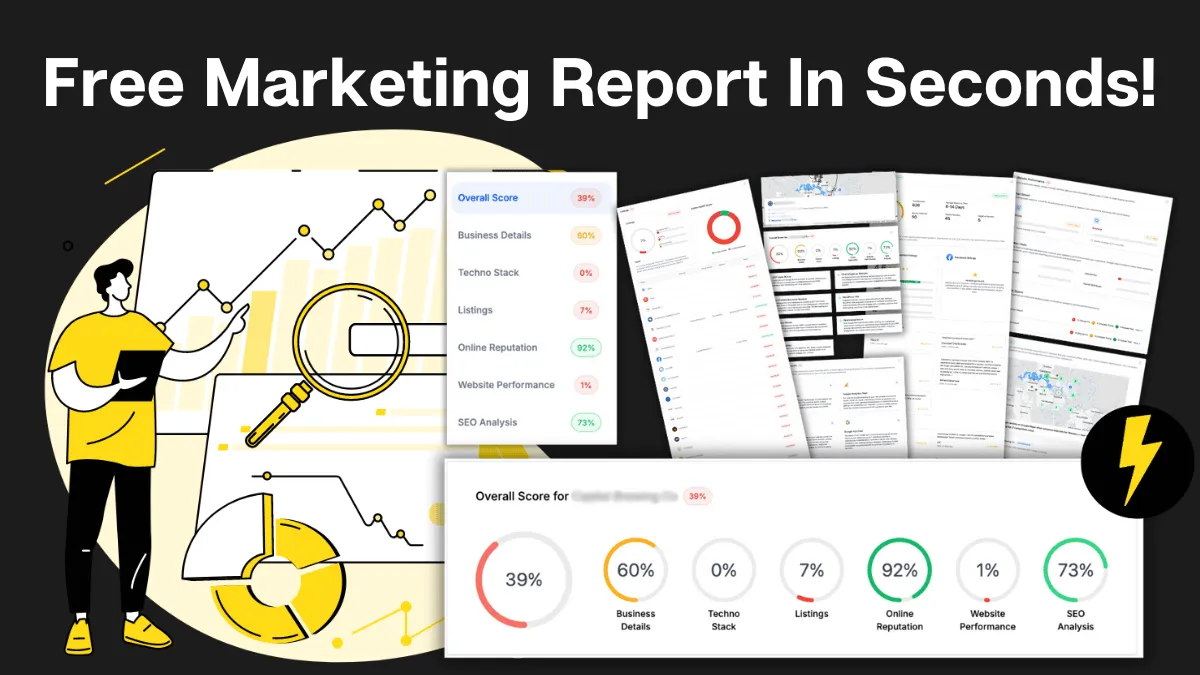
How Do You Stack Up Against the Business Down the Road?
See how you show up online next to competitors near you: reviews, listings, visibility. Free, and no homework required.

Supercharge Your Business!
Transform your business growth with our all-in-one sales and marketing software. Capture, nurture, and close more leads with ease. Don't miss out on the opportunity to streamline your operations and drive success.

See It Working Before You Talk to Anyone
Watch an enquiry get caught, answered and booked in without you glued to your phone. Your pace, no pressure.

Never miss an update from Business Booster Insights. Subscribe to our 'Level Up Newsletter' and get expert tips, strategies, and exclusive content delivered straight to your inbox. Elevate your business game today!
Your Clients Need Better Follow-Up. You Could Earn From It.
Accountants, coaches and consultants spot leaky businesses every day. Recommend the fix and earn ongoing commission.
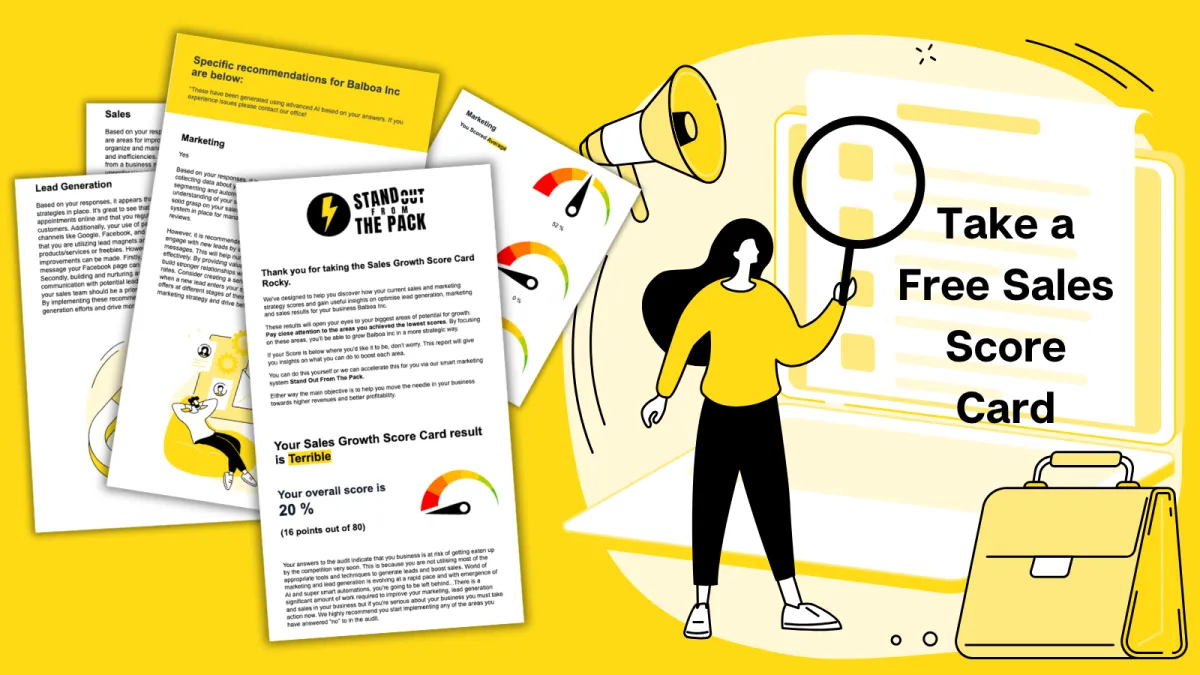
Where Are Your Enquiries Going Cold?
Answer a few quick questions and see exactly where leads slip between "just asking" and "let's book." Takes less time than your next coffee order.
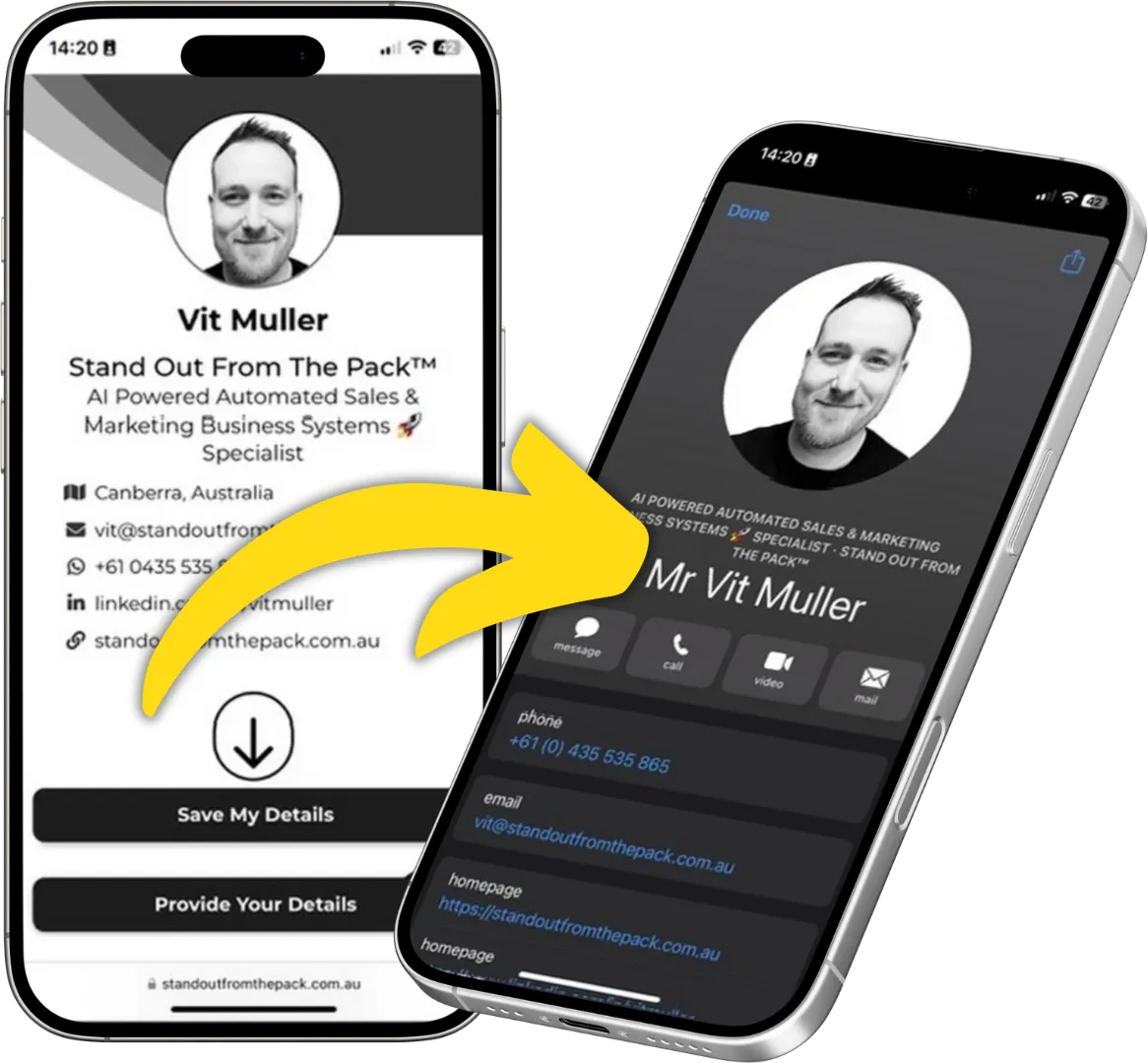
Still Handing Out Cards That End Up in the Wash?
Share your details in one tap so people can save you, call you or book you on the spot. Yours free.