


Is Your Customer Database One Big List? Here Is Why That Costs You
You know the feeling. You have a few thousand contacts in your CRM, a quiet week and a good offer. So you write one email, press send to everyone, and wait for the phone to ring.
Picture a pool builder in a growing outer suburb. Ten years in business, a solid reputation, around 2,400 contacts collected from enquiries, quotes, finished builds and the odd home show. In September, the owner sends a spring email to the whole database: "Dreaming of a pool this summer? Book your free design consultation."
Here is who received it.
A couple whose pool he finished in March. A family who got a quote two years ago, went quiet and are now, as it happens, ready to go ahead. About 300 people who own a pool he built five or more years ago and might be very interested in heating, a new cover or a resurface. A handful of people from a home show who live two hours outside his service area. And a builder he used to subcontract for.
The results are about what you would expect. A few unsubscribes. One slightly bemused reply from the March couple: "Mate, we already have one. You built it." And a lot of silence from everyone else, including the people who had a genuine reason to talk to him.
Nothing was wrong with the offer. The problem was that 2,400 different people received one message written for nobody in particular.
Here is the thing. Your customer database is more than a list of names and phone numbers. It is a record of who bought what, when, and what they are likely to need next, if you set it up to tell you.
Why does treating your database as one audience fail?
Because your contacts are in completely different positions, and one message can only fit one of them.
Customers and prospects need different things. Someone who has already bought needs care, maintenance and the next sensible step. Someone who has only enquired needs a reason to take the first step. One email cannot do both.
Timing is different for everyone. A customer from last month and someone who has not engaged in two years are not in the same conversation. Send them the same message and it is too soon for one and too random for the other.
Irrelevant messages teach people to ignore you. Every email that does not apply to someone makes them a little less likely to open the next one. Eventually they unsubscribe, or worse, they stay subscribed and never read a word.
The data to do better is usually there, just not organised. You know who bought, when and what. It is scattered across job notes, invoices and someone's memory, so nobody can use it to send the right message to the right group.
And this is why "we tried email marketing and it did not really work" is so often a database problem, not a messaging problem.
How do you organise your database around real opportunities?
You do not need a data scientist. Six steps.
1. Decide which details actually matter. For most service businesses, five details cover most of what you need: customer status (enquired, quoted, customer, past customer), what they bought or enquired about, when they last engaged, location, and the likely next need. For the pool builder, that last one could be "service due", "heating upgrade" or "quoted, not yet built". Resist the urge to track forty fields. Five used well beat forty half filled.
2. Capture them at the moment they are known. The best time to record what a customer bought is when the job is completed, not six months later in a clean-up. Build it into the process: the enquiry form captures the service and suburb, the quote records the value and date, and the job completion step records the service delivered and the date. Then the data builds itself as work happens.
3. Tidy what you already have, without aiming for perfect. Merge obvious duplicates, fill in the customer status for your most valuable groups first and remove contacts who have asked not to hear from you. You do not need every record perfect before you start. You need the groups you will contact first to be right.
4. Build segments that update themselves. Instead of exporting a spreadsheet every time, set up saved lists based on rules. "Pool built more than three years ago, no service in the last twelve months, within our service area." "Quoted in the last two years, never went ahead." As contacts change, they move in and out of these lists automatically.
5. Give every segment its own message and journey. Now each group gets something that makes sense for them: a service reminder for the owners whose pool is due, information about heating for older builds, a friendly "is this still on your list?" for old quotes, and simply nothing at all for the couple who finished in March, apart from a check-in to see how their first summer is going.
6. Let the system keep the data current. Rules should update the details as things happen. When a quote is accepted, the status changes to customer. When a job is completed, the service and date are recorded. When someone unsubscribes, they leave every marketing list.
The thread through all six: record what matters as it happens, and let your lists sort themselves.
What usually goes wrong?
Too many tags, no rules. Over the years, tags pile up: "spring promo 2023", "Expo", "expo-2", "VIP?". Nobody knows what half of them mean. Agree on a short list of details with clear names, and retire the rest.
Segments that need someone to rebuild them. If every campaign starts with an hour of spreadsheet filtering, it will only happen twice a year. Saved, rule-based lists turn it into a two minute job.
Slicing too thin. Thirty segments of eight people each look clever and are impossible to write for. Start with four to six groups that matter, and add more only when you have a real message for them.
Forgetting to exclude. The most common embarrassment in database marketing is the offer sent to someone who already bought it. Every segment needs rules for who is left out, as much as who is included.
Treating segmentation as a marketing project. If only the marketing person cares about the data, it will drift. The team recording the details at the right moment is what keeps it useful.
Why is this better than the alternatives?
"We just send one newsletter to everyone." A general newsletter has its place. But it will never tell the family with a two year old quote that now is a good time, or remind the owner of a five year old pool that their equipment is due for a check.
"Our team knows the customers." Your team probably knows the top fifty very well. Nobody remembers the other two thousand. Between us, a database that lives in people's heads is just a phone book with feelings.
"We will buy a list or run more ads instead." New contacts cost money and know nothing about you. Your existing contacts already have context and familiarity with your business, which makes them worth understanding properly before you go looking for strangers.
Relevant communication earns attention. Generic communication encourages people to ignore you or unsubscribe.
This week has really been one story told three ways. Monday was about reactivating old quotes and past customers, Wednesday about what happens after the sale, and both depend on a database that can tell you who is who.
How does this work inside Stand Out From The Pack?
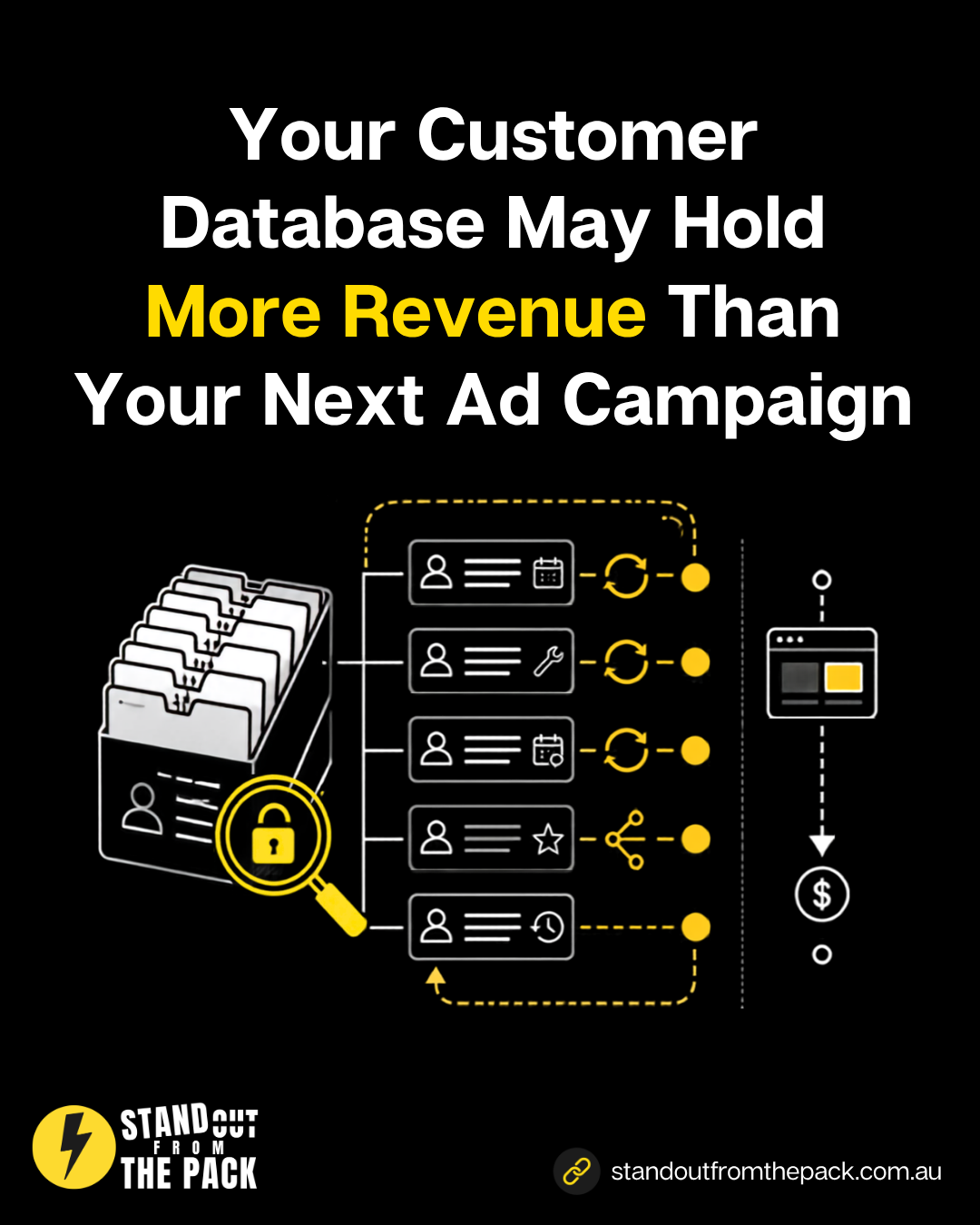
Every customer has the tools for this from day one: contact records with custom fields and tags, forms that save details straight onto the record, saved smart lists that filter by any field or activity, automations that update status when a quote is accepted or a job is completed, campaigns you can send to a single segment, and unsubscribe handling across every list. What varies is who sets it up.
- Do it yourself, with support. Every plan includes onboarding for the owner and the team, a knowledge base with 50 plus interactive guides, 24/7 live chat with real people and weekly Open Office Hours (all on our support page). Bring a rough list of the groups in your database to Office Hours and we will help you decide which details to record and how to build your first segments.
- Get the foundations done for you. Our done-for-you account setup connects your email, phone, calendar and inbox properly, so messages to every segment land and the replies come back to one place.
- Have us build it. Database and follow-up systems are part of our Profit Roadmap. A single job like "set up our customer fields and five segments" sits on our services menu, and a full database clean-up and segmentation becomes a custom project.
What just happened behind the scenes of this article?
A small example of data recorded at the moment it is known.
Today's social post asked you to comment SYSTEM. When you did, an automation picked up the comment and, within a minute, Alfie (Vit's AI sidekick) sent you a direct message with this article.
At the same time, it noted on your record which post you responded to. Nobody had to type it in later or remember it. So the next time we have something useful to share about systems, we know you asked, and we can send it to you rather than to all of our contacts at once.
It runs in our own account on the same platform our customers use, built the way any of them could build it, or have us build it for them.
A quick check for your own business
- Could you pull a list of every customer who bought a specific service in a specific year?
- Do you record what a customer bought and when, at the moment the job is completed?
- Does your last marketing email exclude people it obviously did not apply to?
- Do your lists update themselves, or does someone rebuild them for each campaign?
- Do you know which group in your database has the most untapped opportunity?
Frequently asked questions
How many segments should a small business start with? Four to six is plenty. For example: active customers, past customers due for a service, open quotes, enquiries that never quoted and contacts outside your service area.
What is the difference between a tag and a custom field? A custom field holds a specific value, like the service purchased or the date of the last job. A tag is a simple label. Fields are better for details you want to filter by dates or values, and tags suit simple yes or no groupings.
Do we have to clean the whole database first? No. Start with the groups you plan to contact first and make those accurate. Recording details properly from now on will gradually take care of the rest.
How often should we email each segment? As often as you have something genuinely useful for that group. A service reminder might be once a year, while an open quote might get two or three messages over a month.
Want to organise your database around genuine opportunities? Comment SYSTEM on the post on Facebook or Instagram and we will take it from there.



Live, Practical, Zero Jargon
Short sessions on follow-up, systems and AI you can put to work the same afternoon. Get on the list and we'll tell you when the next one's on.
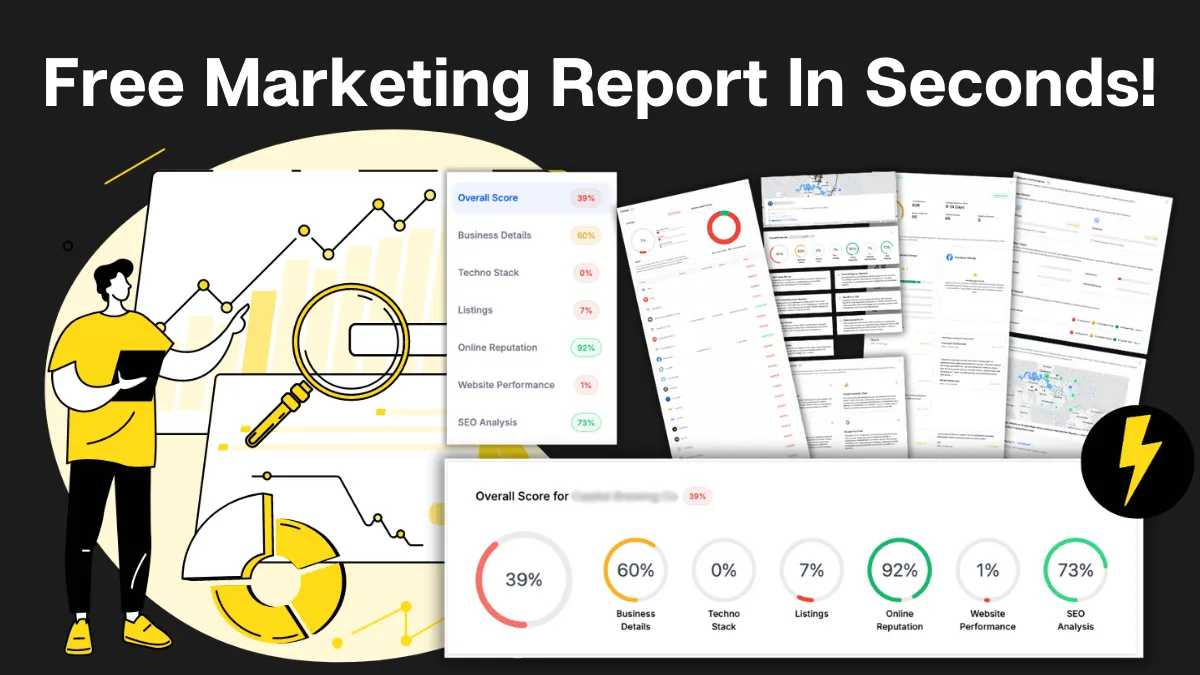
How Do You Stack Up Against the Business Down the Road?
See how you show up online next to competitors near you: reviews, listings, visibility. Free, and no homework required.

Supercharge Your Business!
Transform your business growth with our all-in-one sales and marketing software. Capture, nurture, and close more leads with ease. Don't miss out on the opportunity to streamline your operations and drive success.

See It Working Before You Talk to Anyone
Watch an enquiry get caught, answered and booked in without you glued to your phone. Your pace, no pressure.

Never miss an update from Business Booster Insights. Subscribe to our 'Level Up Newsletter' and get expert tips, strategies, and exclusive content delivered straight to your inbox. Elevate your business game today!

Your Clients Need Better Follow-Up. You Could Earn From It.
Accountants, coaches and consultants spot leaky businesses every day. Recommend the fix and earn ongoing commission.

Where Are Your Enquiries Going Cold?
Answer a few quick questions and see exactly where leads slip between "just asking" and "let's book." Takes less time than your next coffee order.
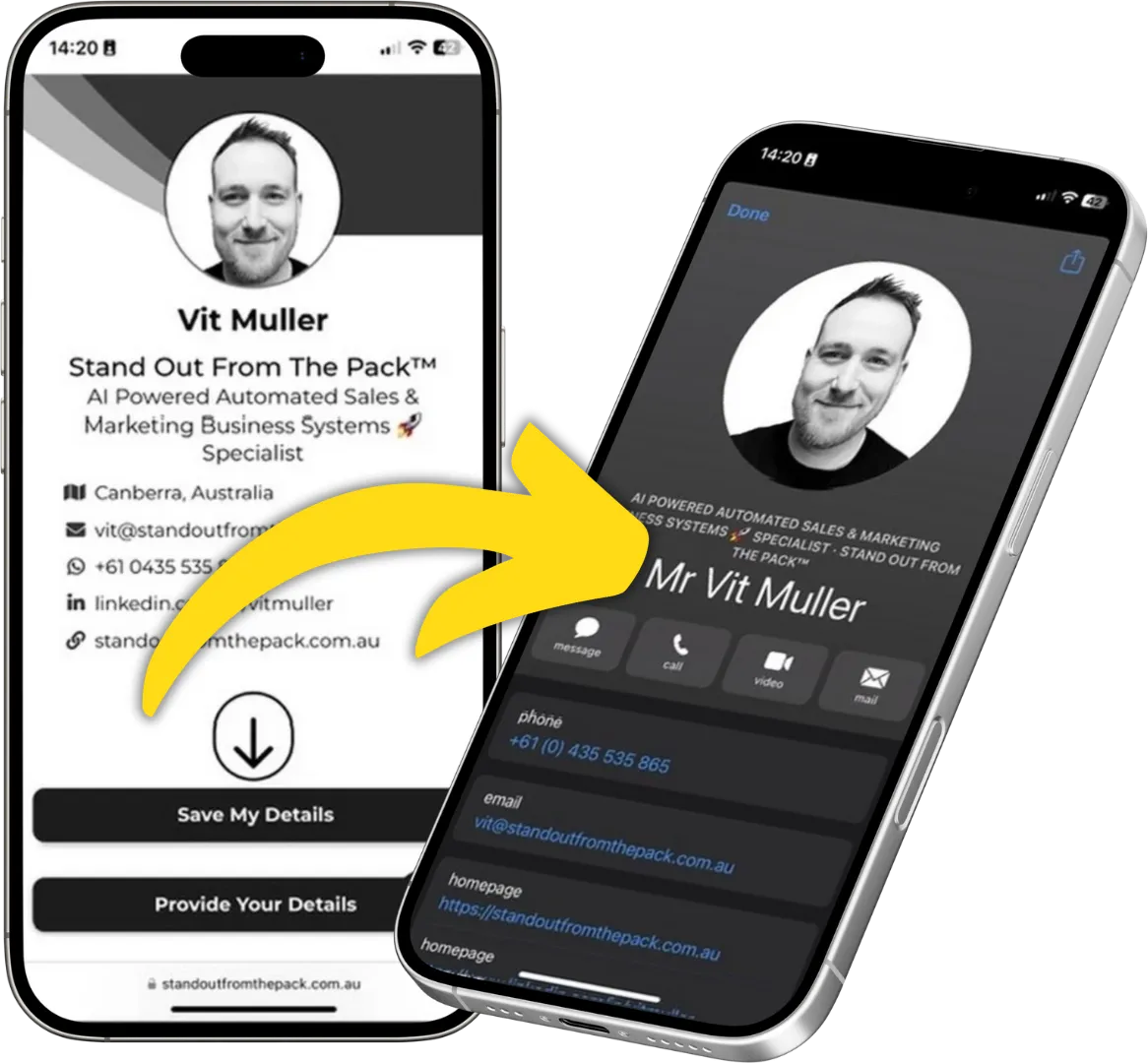
Still Handing Out Cards That End Up in the Wash?
Share your details in one tap so people can save you, call you or book you on the spot. Yours free.