


The Job Is Finished. Is Your Customer Journey Finished Too?
I keep noticing the same thing about the moment a sale is finished. The business relaxes. The customer, very often, is only just getting started.
Picture a small hearing clinic in a regional town. Graham is 72 and has finally been fitted with hearing aids after his family nagged him about the television volume for two years. The fitting goes well, he pays at the desk and he walks out into the sunshine.
The next morning, he gets a text. "Thanks for visiting! We would love a 5 star review." With a link.
Graham does not leave a review. Not because he is unhappy, but because his left hearing aid has been whistling every time he puts his glasses on, and he is not sure whether that is normal. He wonders whether to call. He does not want to be a bother. So he puts the aids in the drawer "for a bit".
Nobody asks how he is going. Twelve months later, there is no reminder about his annual check. And when his neighbour mentions she is thinking about getting her hearing tested, Graham cannot remember the clinic's name.
The clinic did a good job. They just treated the fitting as the end of the journey, when for Graham it was the beginning.
Here is the thing. Finishing the job should not be the final interaction with your customer. Done well, it is the start of the most valuable part of the relationship.
Why does the customer journey stop at the sale?
Because most businesses design their journey around winning the work, not around what comes after.
The pipeline ends at "Won". Every stage before the sale has a next action. After the sale, there is an invoice and a vague hope the customer comes back.
Everything gets asked at once. If there is a post-sale message at all, it is often one email asking for a review, a referral, a social media follow and a newsletter sign-up. That is four requests from someone who has not yet told you whether they are happy.
The timing is set for the business, not the customer. A review request the morning after makes sense on a spreadsheet. It makes less sense for a customer who is still working out how the thing they bought actually fits into their life.
Unhappy customers have no easy way to say so. If the only question you ask is "would you leave us a review?", a customer with a small problem has two choices: stay quiet, or say it publicly. Neither is great for anybody.
And this is why so many good businesses get fewer reviews, fewer referrals and less repeat work than their service deserves.
How do you design a post-sale journey that builds loyalty?
Back in October we wrote about making it clear when a job is complete, so the customer agrees it is finished before the invoice goes out. This picks up from there: what happens in the weeks and months after. Six steps.
1. Map the time after the sale. Write down what the customer experiences in the first day, the first week, the first month and the next time they would naturally need you. For Graham, that is getting used to the aids, the first follow-up adjustment, the annual check and the day a family member needs a hearing test. For a builder it might be the first rain, the warranty period and the next renovation. This timeline is your post-sale journey.
2. Start with a satisfaction check. Before you ask for anything, ask how it is going. One simple question at the right moment: "How are you finding the new hearing aids after the first week?" Keep it easy to answer with a quick reply or a tap, and make it obvious that a small problem is welcome news, not a nuisance.
3. Let the answer decide what happens next. This is where the journey gets thoughtful. If the customer is happy, that is your moment of delight, and the right time to invite a review. If they mention a problem, the team gets alerted straight away and someone follows up personally to sort it out. Fix it first. Once it is sorted, you can still invite them to share their experience, and often those reviews are the warmest of all.
4. Make referrals specific and easy. "Tell your friends!" is too vague to act on. Be specific instead: "If someone in your family has been putting off a hearing test, here is a link they can use to book." Send it after the satisfaction check and the review, not alongside them, and give the customer something they can forward in one tap.
5. Remind when the next service is genuinely useful. Annual checks, maintenance, renewals, the next stage of a programme. Set the reminder to arrive when it actually helps the customer, with a clear reason and a simple way to book. This is the difference between "we miss you" and "your annual check is due, would you like the same time as last year?"
6. Reconnect later with something relevant. Some customers will not need you again for a while. Stay in touch occasionally with something genuinely useful, based on what they bought, so when the need comes up again, you are the obvious choice. Monday's piece on reactivating old quotes and past customers covers how to bring back the ones who have drifted.
The thread through all six: satisfaction first, then the right request at the right moment.
What usually goes wrong?
Asking for everything at once. A review, a referral, a follow and a newsletter in one message gets you none of them. One request per message, in a sensible order.
Asking for a review before checking in. Request a review before you know how the customer feels, and you either get silence or a three star surprise. Check first, then ask.
One sequence for every customer. A customer who loved the result and one who had a problem should not receive the same messages. Let their answer steer the journey.
Nobody owns the alert. An unhappy reply that lands in a shared inbox on Friday afternoon and gets read on Tuesday is worse than not asking at all. Decide who gets the alert, and how quickly they respond.
Never stopping. If a customer has left a review, stop asking for one. If they have booked their next service, stop reminding them. Good journeys know when the job is done.
Why is this better than the alternatives?
"We send a review request after every job." Better than nothing, and you will get some reviews. But you will also miss the unhappy customers who needed a phone call, and annoy the ones who were not ready yet.
"Happy customers refer us naturally." Some do. Most mean to and never quite get round to it, because nobody gave them an easy way. Between us, "word of mouth" works a lot better when you hand people the words.
"We stay in touch with a monthly newsletter." A newsletter keeps you in mind, which is useful. It does not ask Graham how his hearing aids are going, and it will not remind him his annual check is due.
A well-designed post-sale journey protects relationships first, and the reviews, referrals and repeat business follow from there. It means fewer customers lost to small problems nobody heard about, and more of your future work coming from people who already trust you.
How does this work inside Stand Out From The Pack?
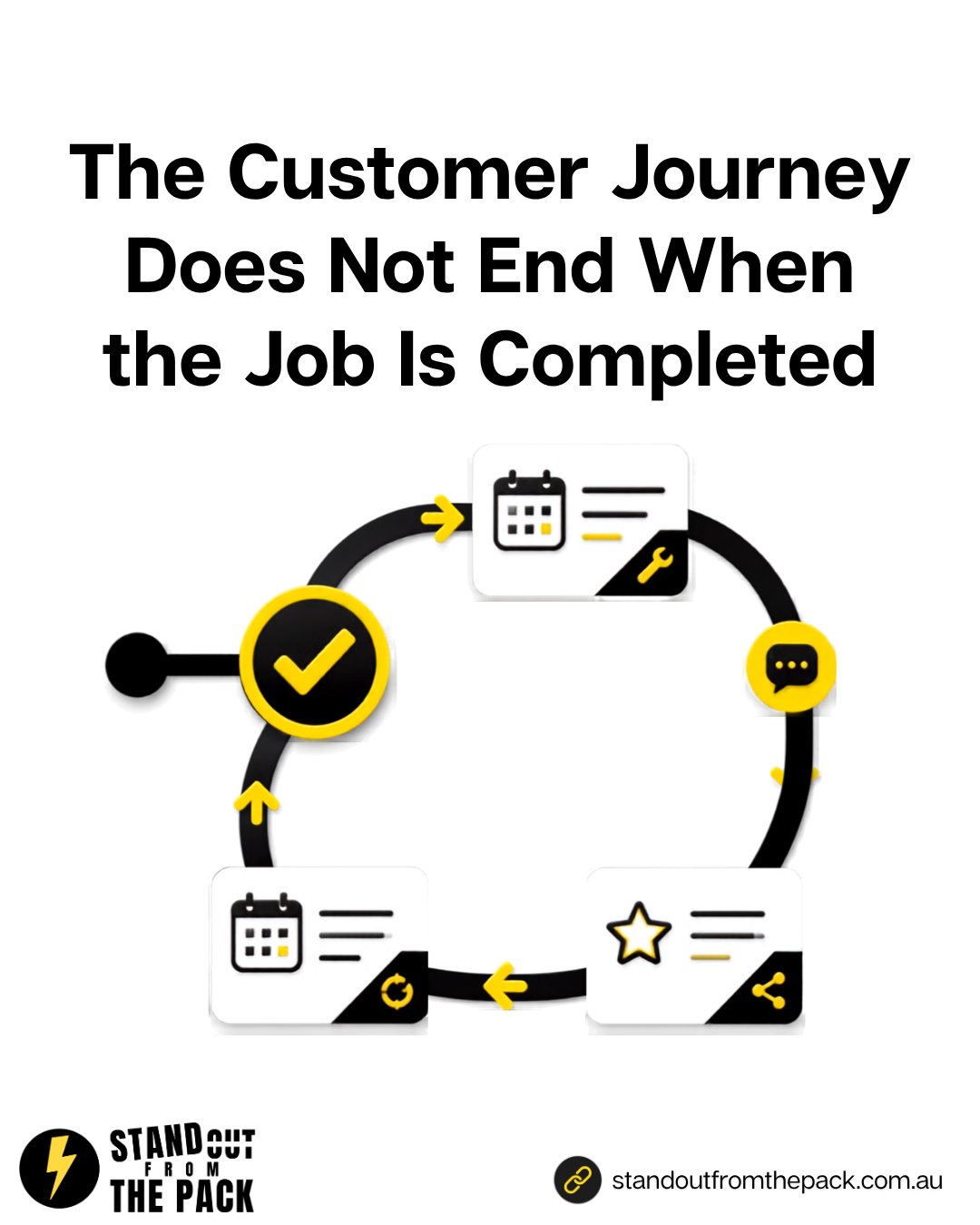
Every customer has the tools for this from day one: automations that start when a job or appointment is marked complete, short survey forms or reply-based check-ins, branches that send different messages depending on the answer, review requests, internal alerts and tasks for the team, referral links, and reminders based on the date of the last service. What varies is who sets it up.
- Do it yourself, with support. Every plan includes onboarding for the owner and the team, a knowledge base with 50 plus interactive guides, 24/7 live chat with real people and weekly Open Office Hours (all on our support page). Bring your post-sale timeline to Office Hours and we will help you work out what each message should say and when it should go.
- Get the foundations done for you. Our done-for-you account setup connects your email, phone, calendar and inbox properly, so check-ins land and every reply comes back to one place where the team can see it.
- Have us build it. Customer journey and review systems are part of our Profit Roadmap. A single job like "add a satisfaction check before our review request" sits on our services menu, and a full post-sale journey across several services becomes a custom project.
What just happened behind the scenes of this article?
A small example of one request at a time.
Today's social post asked you to comment JOURNEY. When you did, an automation picked up the comment and, within a minute, Alfie (Vit's AI sidekick) sent you a direct message with this article.
Notice what Alfie did not do. There was no request to book a call, follow our page, join a newsletter and leave a review, all in the same breath. You asked for one thing and got that one thing. If you reply, the conversation lands in our inbox for a real person to pick up.
It runs in our own account on the same platform our customers use, built the way any of them could build it, or have us build it for them.
A quick check for your own business
- What does a customer hear from you in the first month after the job is finished?
- Do you check satisfaction before you ask for a review?
- If a customer reports a problem, who is alerted, and how quickly?
- Do your customers have a specific, easy way to refer a friend?
- Do past customers get a reminder when they would genuinely need you again?
Frequently asked questions
When is the best time to ask for a review? Straight after a customer confirms they are happy, at the moment of delight. For some businesses that is the same day, for others it is a week or two after the work, once the customer has had a chance to enjoy the result.
Should we only ask happy customers for reviews? No. Check in first so you can fix any problems quickly, then invite customers to share their experience. Resolving an issue well often earns some of the best reviews you will ever get.
How many post-sale messages is too many? If every message is useful and has its own purpose, a handful over a few months is fine. If you are sending messages just to stay visible, one is already too many.
What if we do not offer repeat services? Focus on satisfaction, reviews and referrals. Even one-off purchases come with natural moments to check in, like the first month, the first season or the end of a warranty.
Want to map what happens after the sale in your business? Comment JOURNEY on the post on Facebook or Instagram and we will take it from there.




Live, Practical, Zero Jargon
Short sessions on follow-up, systems and AI you can put to work the same afternoon. Get on the list and we'll tell you when the next one's on.
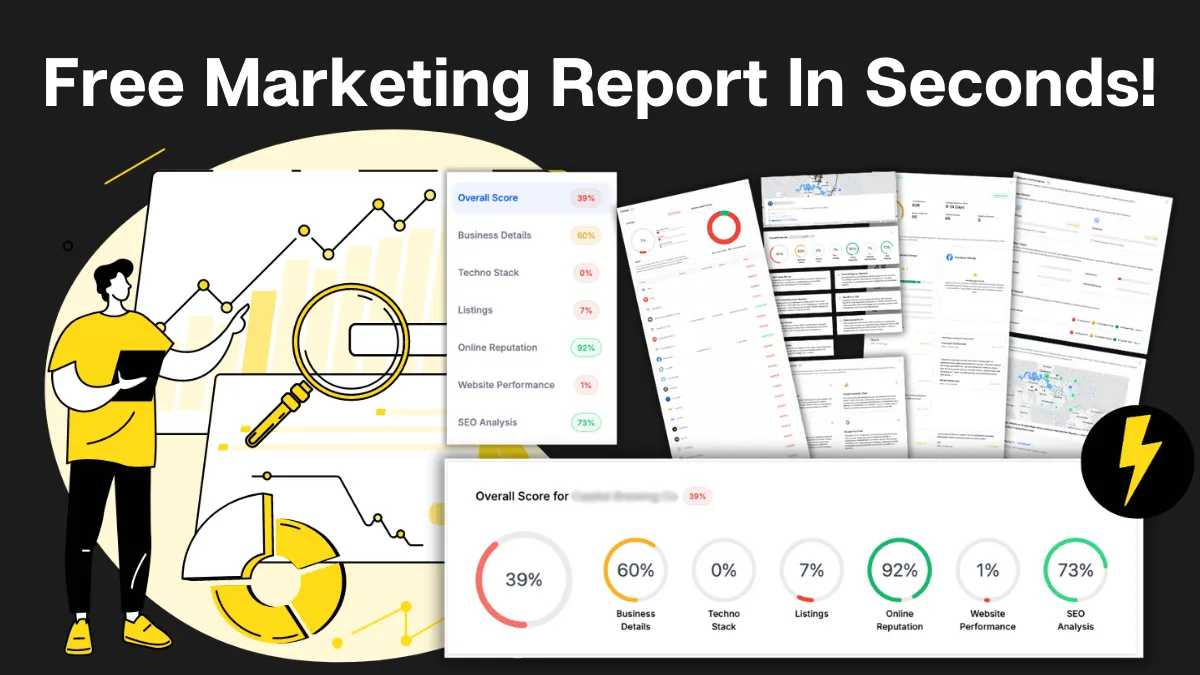
How Do You Stack Up Against the Business Down the Road?
See how you show up online next to competitors near you: reviews, listings, visibility. Free, and no homework required.

Supercharge Your Business!
Transform your business growth with our all-in-one sales and marketing software. Capture, nurture, and close more leads with ease. Don't miss out on the opportunity to streamline your operations and drive success.

See It Working Before You Talk to Anyone
Watch an enquiry get caught, answered and booked in without you glued to your phone. Your pace, no pressure.

Never miss an update from Business Booster Insights. Subscribe to our 'Level Up Newsletter' and get expert tips, strategies, and exclusive content delivered straight to your inbox. Elevate your business game today!

Your Clients Need Better Follow-Up. You Could Earn From It.
Accountants, coaches and consultants spot leaky businesses every day. Recommend the fix and earn ongoing commission.
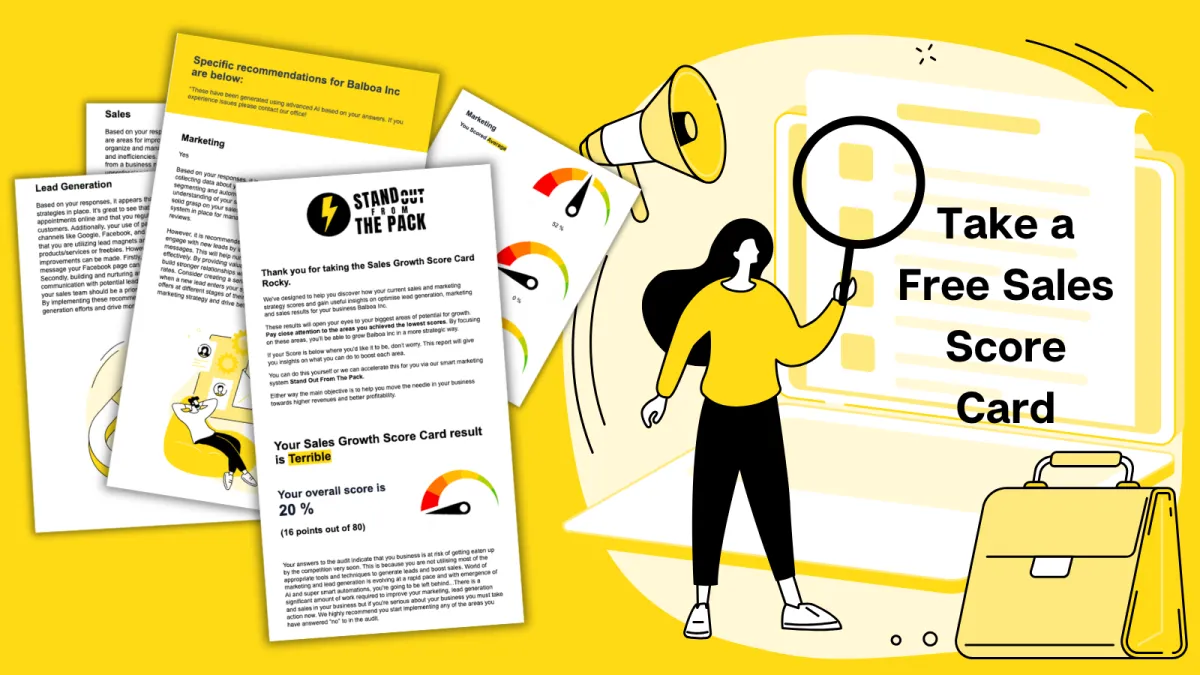
Where Are Your Enquiries Going Cold?
Answer a few quick questions and see exactly where leads slip between "just asking" and "let's book." Takes less time than your next coffee order.
Still Handing Out Cards That End Up in the Wash?
Share your details in one tap so people can save you, call you or book you on the spot. Yours free.